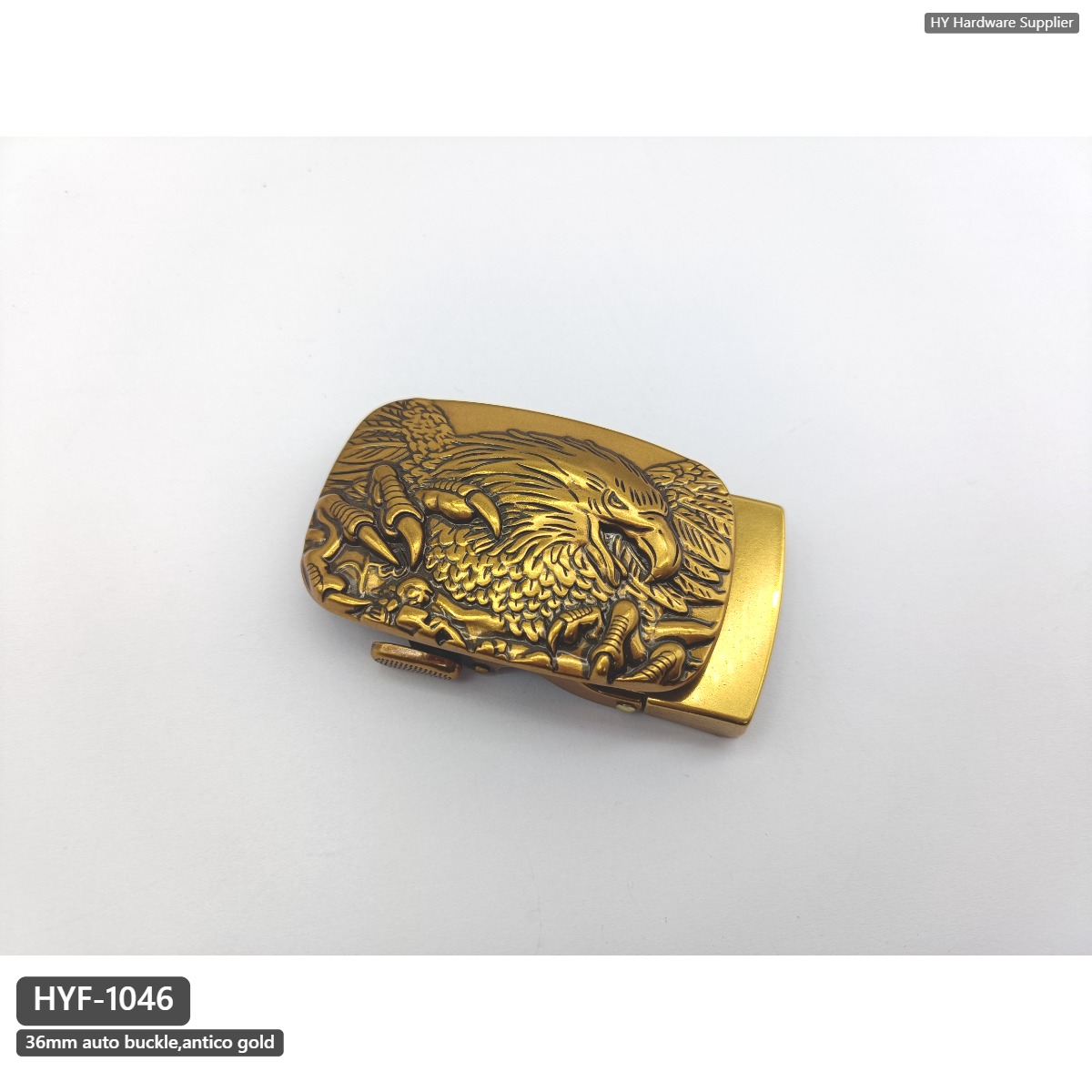
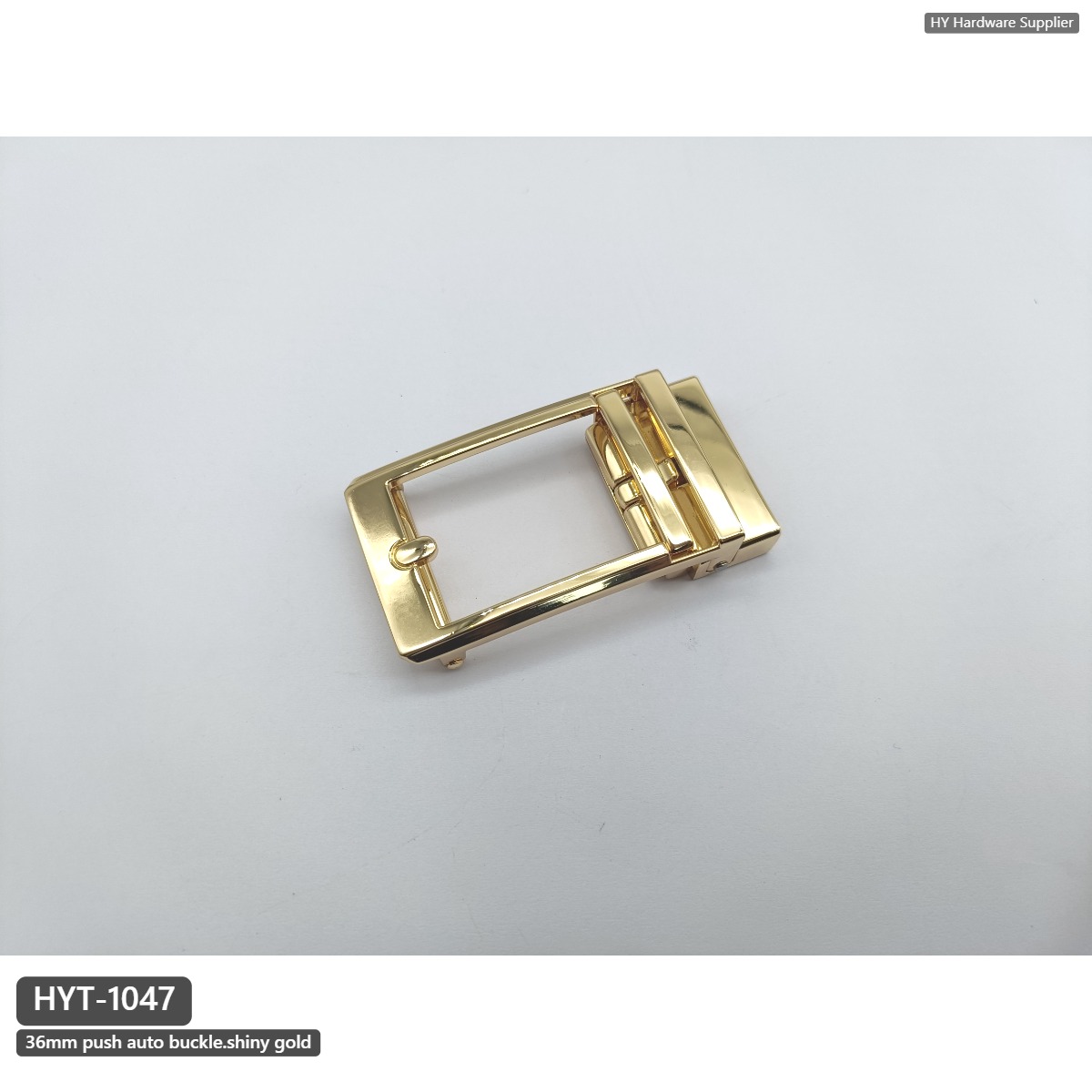
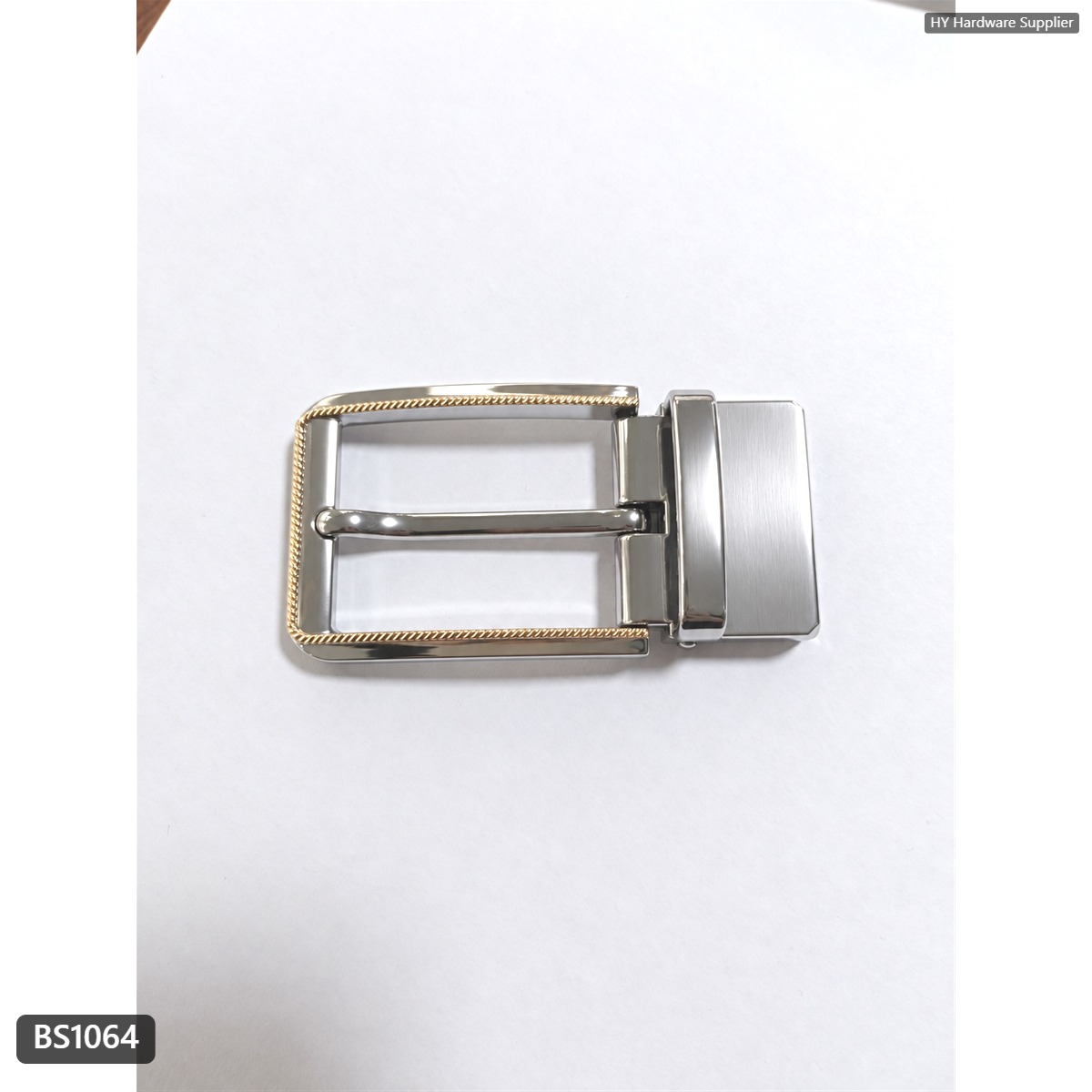
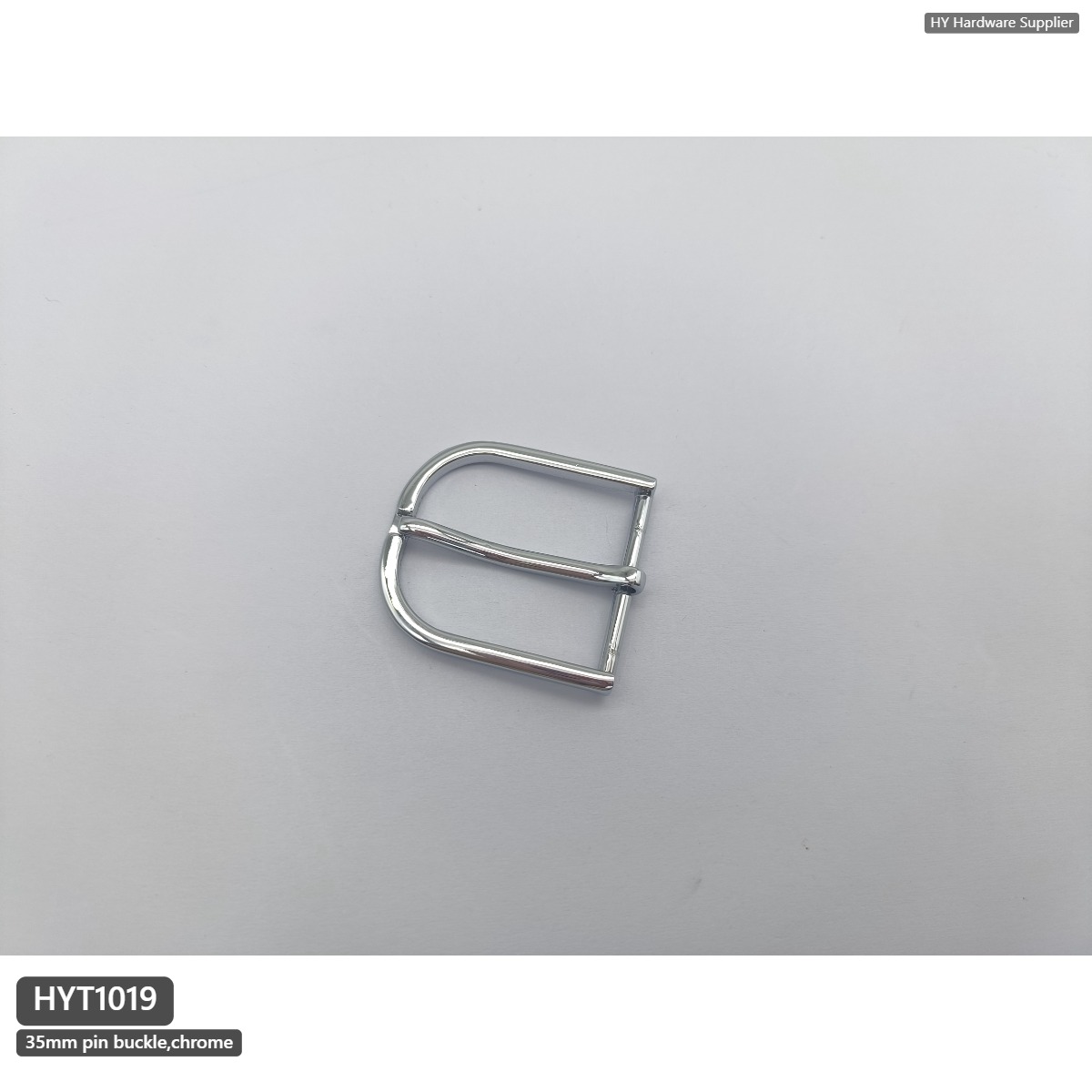
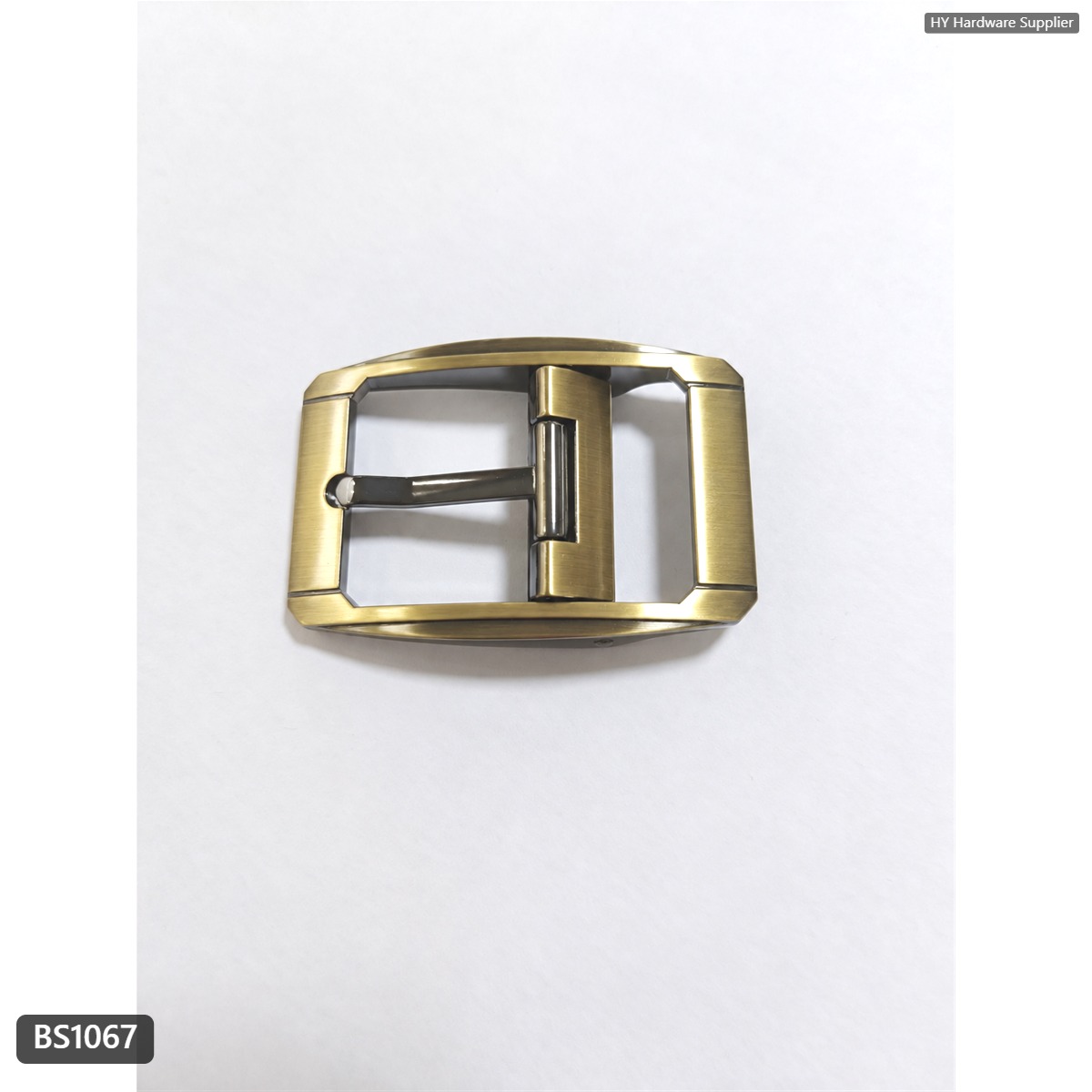
Zinc alloy has an image problem. In a lot of sourcing conversations “zamak” is shorthand for cheap — the material you use when the budget will not stretch to steel. Yet zinc alloy is also the material behind a great many belt buckles on genuinely premium belts, because nothing else casts fine 3D detail and crisp logos as affordably. Both things are true, and the reason is simple: with zinc, the material is rarely what fails. The execution is.
Put a premium zamak buckle and a cheap one side by side at sample approval and you often cannot tell them apart. Six months into real wear, one still looks like the sample and the other is dulling at the edges, showing grey metal where the strap rubs, maybe pitting near the logo. None of that was visible on approval day. It was decided earlier, in four specifications most buyers never see. This guide walks through all four — so you can buy high-quality zinc with the same rigour you apply to steel.
1. The Casting: Porosity Is the Original Sin
Everything starts at the die-cast. When molten zamak is injected into the mould, poor process control traps gas and leaves microscopic voids — porosity — just below the surface. On approval day a porous part can look perfect. The problems come later: those voids show up as tiny blisters or pinholes after plating, and they give corrosion a path to work from inside the part outward, where no coating can stop it.
A premium buckle starts from a dense, clean casting in proper Zamak 3 alloy, with controlled temperature and injection so the metal fills the die fully and solidifies without trapped gas. You cannot see the difference in a photo, but you can often feel it: a quality casting has crisp edges and sharp detail, because the same process control that removes porosity also reproduces the mould faithfully. Soft, slightly rounded detail is frequently a sign of a casting made too fast and too cold.
2. The Plating: On Zinc, the Finish Is the Protection
This is the point most buyers underestimate. Zamak on its own is not corrosion-resistant — unlike 316L stainless steel, it relies entirely on its plating to survive. That makes the plating system the single biggest driver of how a zinc buckle ages, and it is exactly where a suspiciously cheap quote saves money, because thickness and layer quality are invisible at approval.
A thin decorative flash and a properly built coating look identical in the hand on day one. The difference appears only at friction points — the frame where the strap passes, the edges that meet a countertop — where a thin coating wears through, exposes the zinc, and lets it oxidise and discolour. If you have ever seen hardware go dull or green, that mechanism, and why steel is immune to it, is covered in our guide to why handbag hardware turns green. How the coating is measured and how it is applied — including rack versus barrel plating — is covered in our guide to plating thickness. For a premium zinc buckle, both of those specifications should be stated on the spec sheet, not left to a photo.
3. Compliance: Nickel and REACH Are Not Optional in the EU
If your belts sell into the European market, one specification stops being a styling choice and becomes a legal one. Nickel release on skin-contact items is regulated under REACH (Entry 27), with a limit of 0.5 micrograms per square centimetre per week. A buckle sits against the body all day, so it is squarely in scope.
Here is the distinction a serious buyer needs to make, because suppliers blur it: surface nickel-free means only the top colour layer is free of nickel while a nickel underlayer remains beneath it — fine when new, but wear can eventually expose it. Fully nickel-free means the coating is free of nickel throughout. Zamak can be plated fully nickel-free on request; it uses a different process and carries an additional cost, so it needs to be specified and quoted deliberately, not assumed. The third-party nickel-release test report itself is issued by an accredited lab, arranged by the brand; a factory can support sampling for it but does not issue the report.
4. The Mechanism: What Holds an Automatic Buckle Together
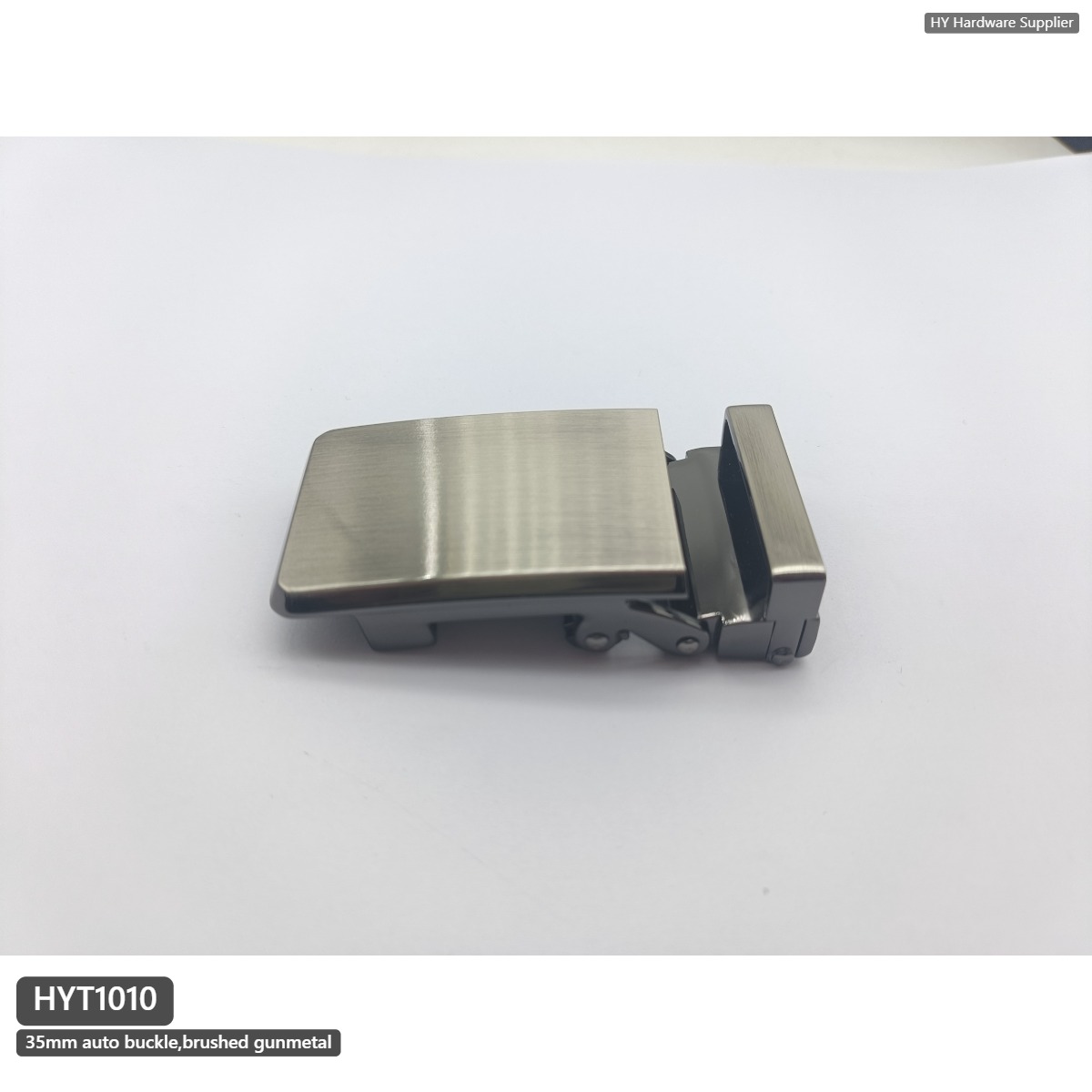
On automatic (ratchet) buckles — the hole-free style adjusted by a sliding track — there is a fourth invisible variable: the mechanism inside. A cheap ratchet slips under tension or jams after a few months of daily open-and-close; a good one clicks cleanly and holds. Because the mechanism is hidden, it is easy to approve a sample on looks alone and discover the problem only in the field. The test is simple and worth doing on every sample: cycle it dozens of times and pull hard on the strap to confirm it grips and releases every time.
5. Batch Consistency: The Sample Was Never the Risk
The sample is made with care by skilled hands. The real question is whether piece number 400 matches the sample you approved — in casting sharpness, in mechanism feel, and above all in colour. Plating tone can drift between runs, so a buckle plated in a different batch from the rest of your hardware set can arrive a visibly different gold. The safeguards are unglamorous but decisive: produce and plate a full hardware set in the same batch, and inspect the bulk run rather than trusting that it matches. Colour mismatch across a collection is one of the most common — and most avoidable — sourcing failures.
A Buyer's Pre-Order Checklist
- Casting: inspect the sample frame and edges under good light for pinholes, blistering or soft detail.
- Plating: ask for the plating system in writing — not a photo — and confirm which surfaces get rack plating.
- Compliance: for the EU, confirm fully nickel-free (not just surface) and clarify who arranges the nickel-release test.
- Mechanism: on auto buckles, cycle and load-test the sample before approval.
- Consistency: require same-batch plating for the full set and an inspection plan for the bulk run.
Our Approach at HY Hardware Supplier
We treat zinc alloy as a premium option done properly, not a budget compromise. Buckles are die-cast in Zamak 3 with the casting control that keeps parts dense and detail crisp, we advise on the plating system per component rather than one blanket process, and complete hardware sets are produced and plated in the same batch so every piece matches in tone. Fully nickel-free electroplating is available on request for EU markets (it uses a different process and carries an additional cost), salt-spray testing can be arranged as part of your project's QC plan, and every order receives 100% inspection before shipment. MOQ for custom zinc alloy belt buckles starts from 400 pieces per style, with prototypes typically ready in 10 to 15 days. If you also need matching bag hardware or a steel option for a higher price point, we carry both — the material trade-off is set out in our guide to choosing the right belt buckle.