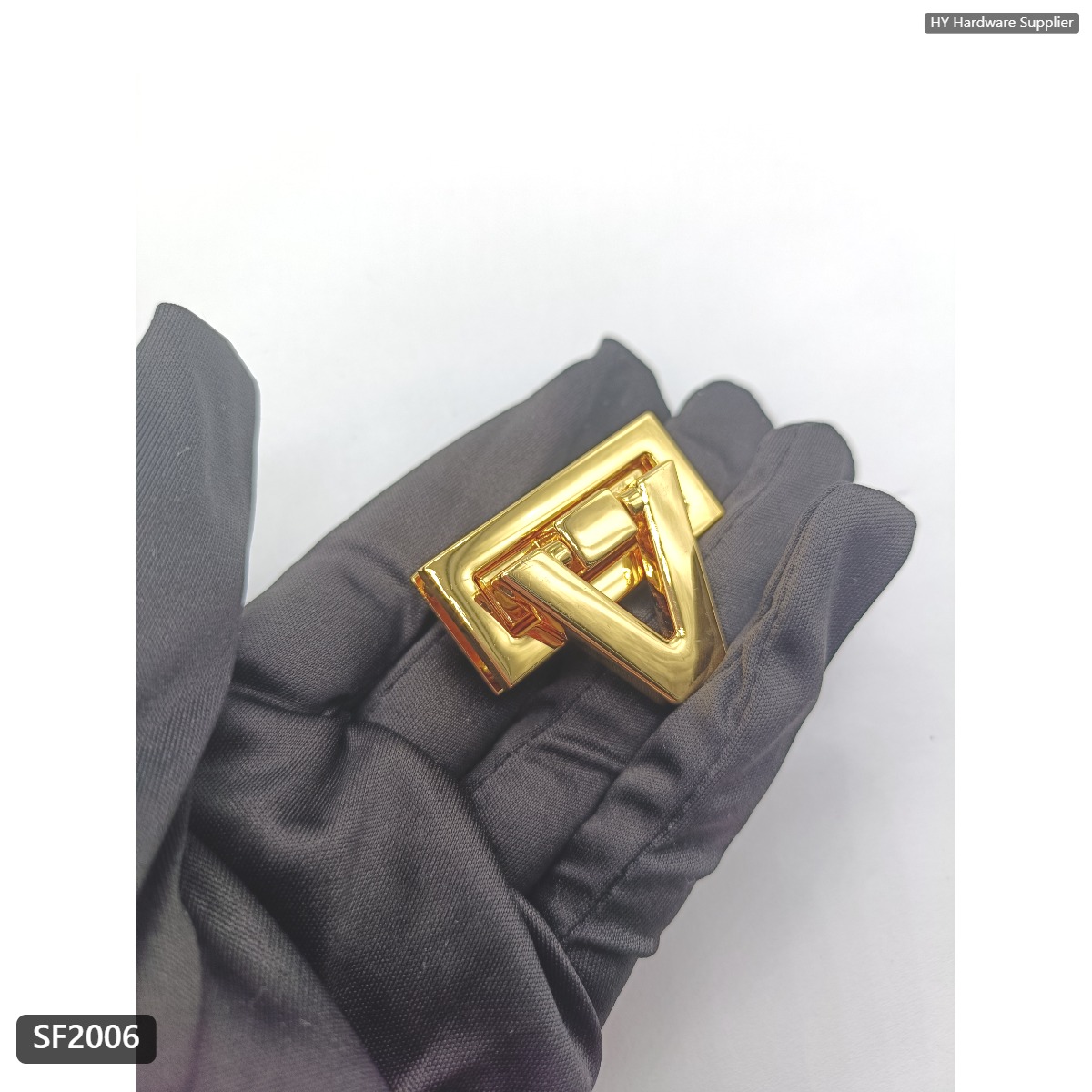
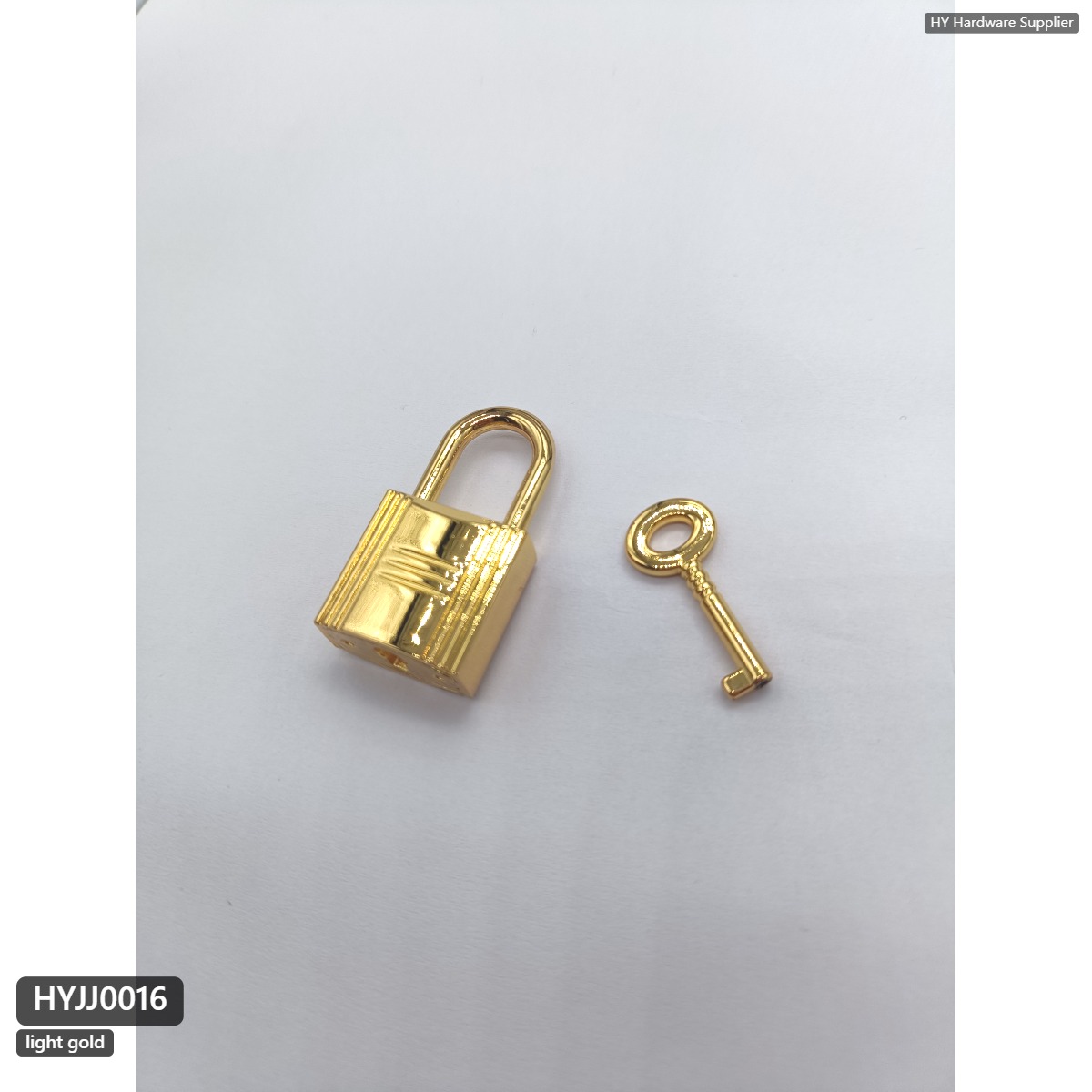
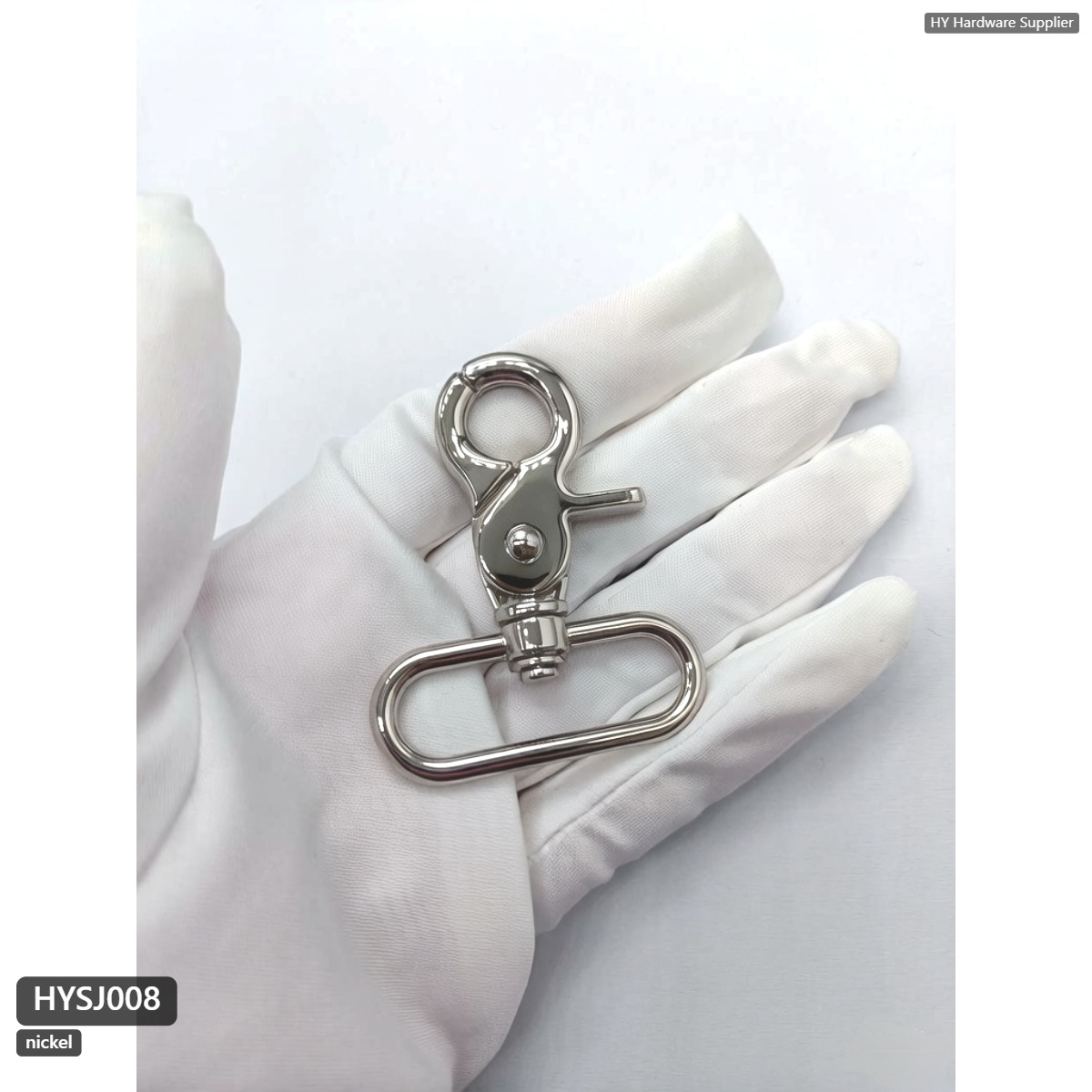
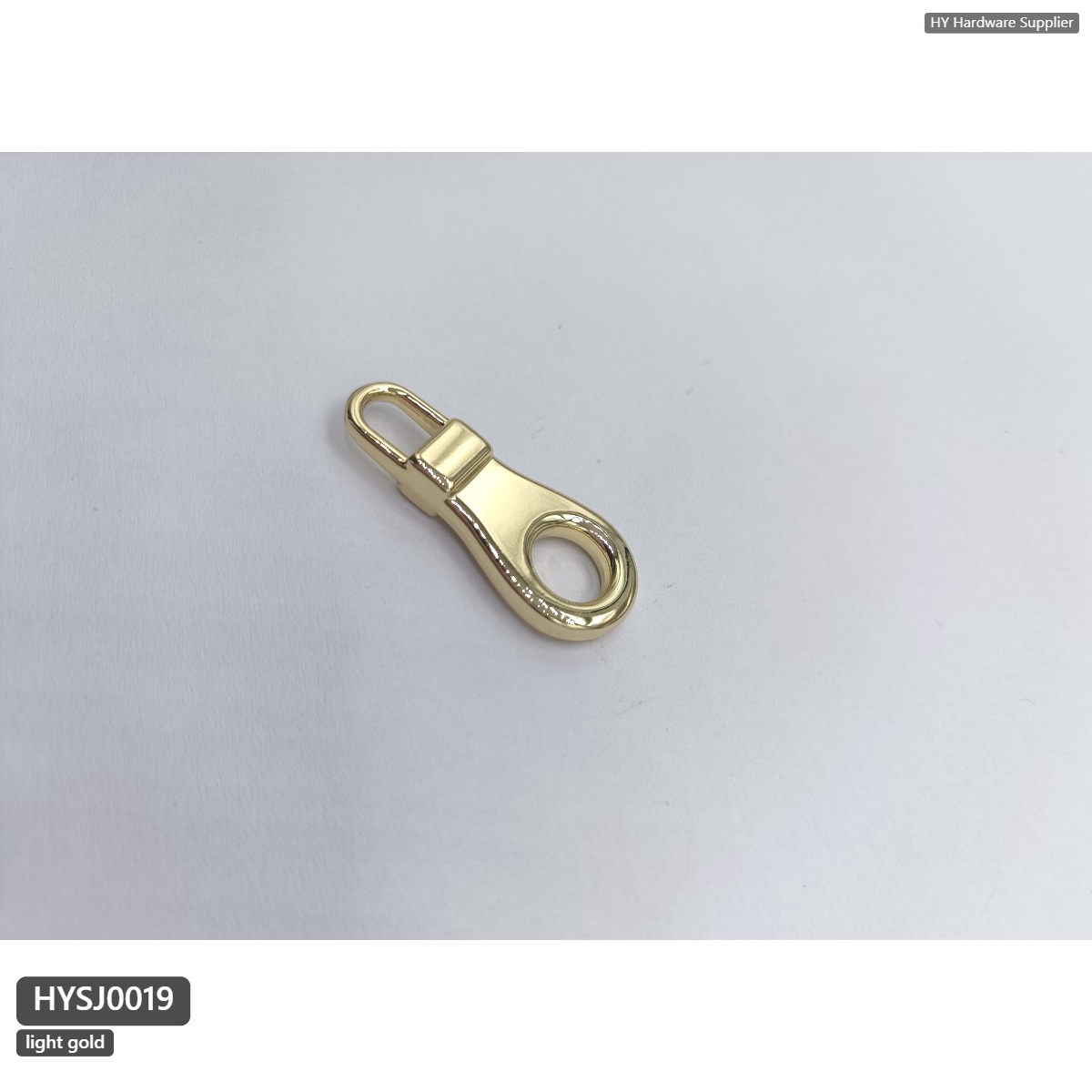
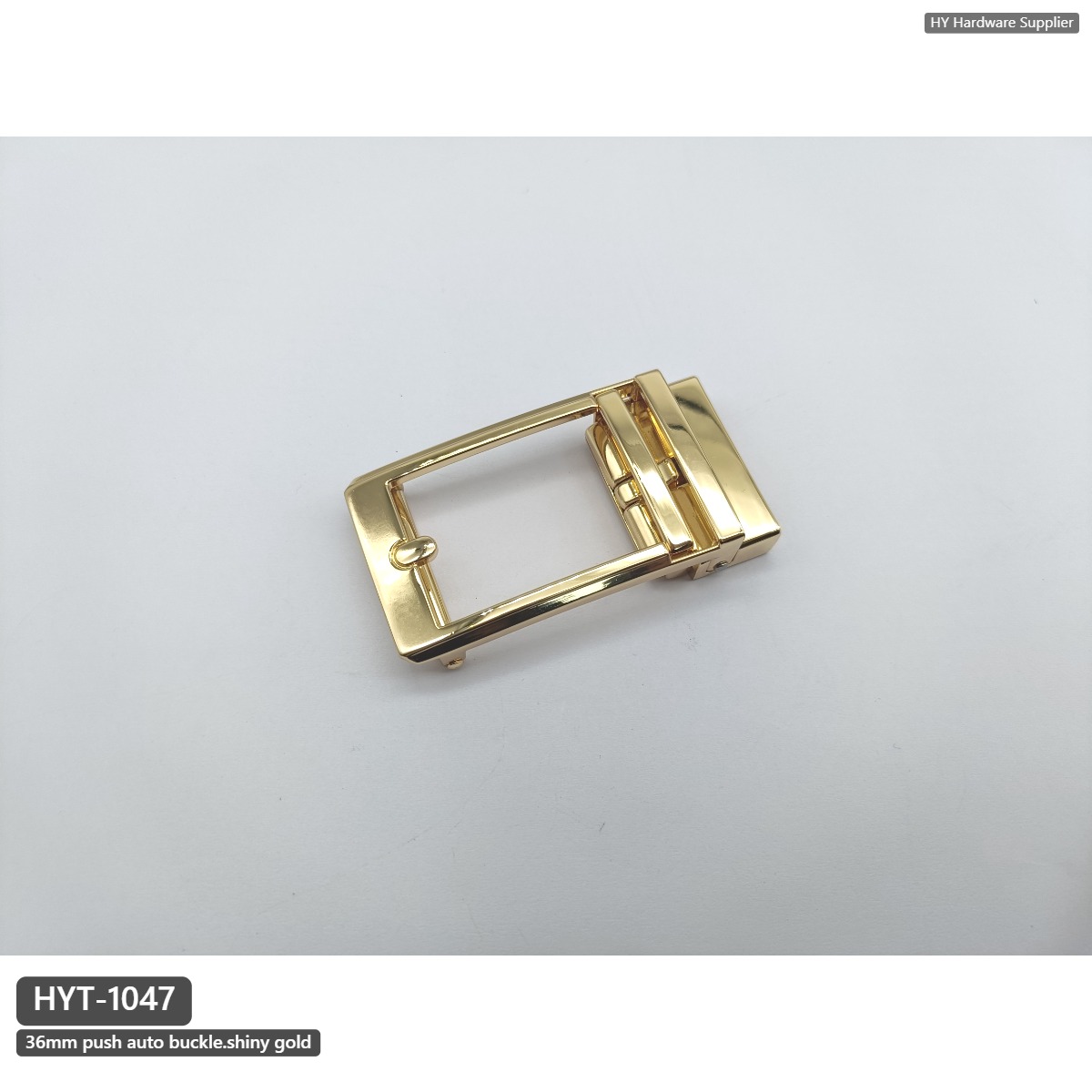
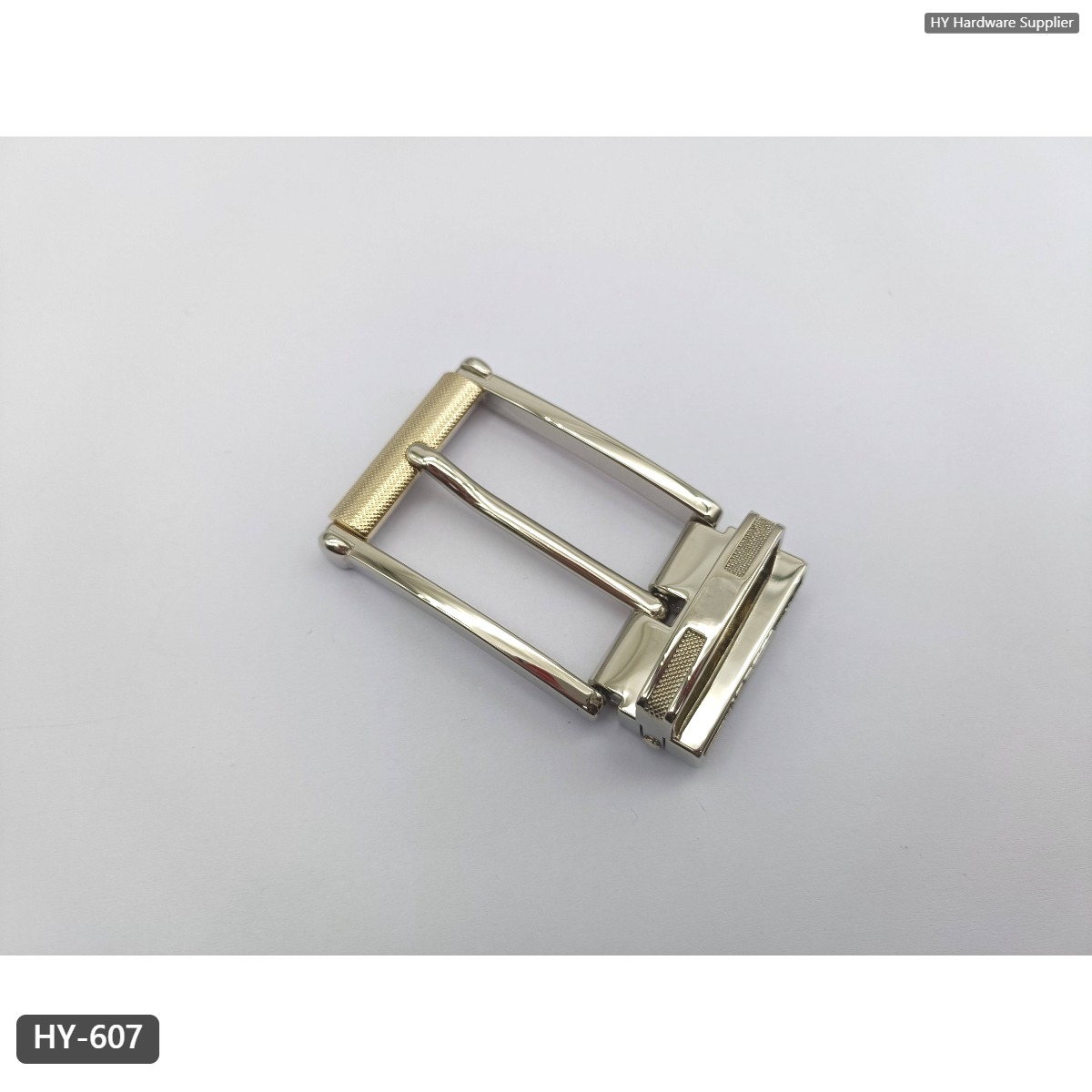
Put two gold belt buckles side by side at sample approval and they can look absolutely identical. Six months into real use, one still looks like the sample — the other is dulling at the corners and showing base metal where the strap rubs. Nothing about that difference was visible on approval day. It was decided earlier, in two specifications most buyers never see: how much metal was deposited on the part, and how the part was held while it happened.
This guide explains both — plating thickness, and rack versus barrel plating — in buyer's terms, so you can specify hardware finishes with the same rigour you apply to leather.
Plating Thickness: The Number Nobody Shows You
Electroplated coatings are measured in microns — thousandths of a millimetre. The colour layer you see is only the top of a system: typically copper for adhesion and levelling, then a barrier layer, then the colour deposit. How long the finish survives friction, humidity and the acidic tannins in real leather depends heavily on how much metal is actually there.
Here is the problem: thickness is invisible. A very thin decorative flash and a properly built coating look the same in a product photo and, on day one, feel the same in the hand. The difference only appears at the friction points — buckle frames where the strap passes, D-rings under constant swivel, edges that meet a countertop every day.
This is why a suspiciously cheap plating quote is rarely a bargain. Plating is priced substantially on metal and tank time; the easiest place for a low quote to save money is invisible to you at approval.
Why Thin Plating Fails Faster on Leather Goods
Leather is a uniquely hostile environment for plated metal. Vegetable-tanned leather carries acidic tannins that attack coatings at any pinhole or worn spot. Add skin contact, humidity and daily mechanical wear, and a coating that would survive for years on a static decorative object can wear through quickly on a belt buckle.
Once the colour layer is breached, failure accelerates: the exposed underlayer oxidises, discolouration spreads under the surrounding coating, and the piece starts to look far older than the leather around it. (If you have seen hardware turn green, that mechanism — and why 316L stainless steel is immune to it — is covered in our guide to why handbag hardware turns green.)
Rack vs Barrel Plating: How the Part Is Held Changes What You Get
The second invisible specification is the plating method itself.
Barrel plating: parts tumble loose inside a slowly rotating perforated barrel, and the current passes through the mass of parts touching each other. It is efficient and economical — hundreds of small pieces are plated in one run — which makes it the sensible choice for small utility components: rivets, small rings, snap parts. The trade-offs: parts contact each other throughout the run, so fine surfaces can pick up contact marks, and coverage tends to be thinner on edges and recesses.
Rack plating: each piece is mounted individually on a fixture and never touches another part. The deposit builds more uniformly, detailed and flat surfaces stay flawless, and thickness is easier to control on the faces that matter. The cost is labour — every piece is racked by hand — so rack plating is more expensive per unit.
Neither method is "better" in the abstract. The question is component by component: a sculpted signature buckle or a polished logo plate deserves rack plating, because its visible faces are the product. A hidden rivet on the same belt does not need it. A supplier who quotes one blanket process for an entire hardware set — or who cannot tell you which method each component gets — is answering a question they should be asking.
Five Questions That Reveal a Supplier's Plating Quality
- Is the plating system written on the spec sheet? The layer build-up and finish should be stated, not implied by a photo.
- Rack or barrel — per component? The answer should differ between your signature pieces and your small parts.
- Can plating performance be tested? Salt-spray testing is the industry's standard corrosion check; agree in the QC plan whether and how it applies to your order.
- Will my full set be plated in one batch? Same-batch plating is what keeps the gold tone identical across buckle, lock and rings.
- Is nickel-free plating available for EU skin contact? For European markets this is a compliance question, not a styling one.
Our Approach at HY Hardware Supplier
We advise on finish specification as part of every project brief — matching the plating method to each component rather than running one process across the set. Complete hardware sets are produced and plated in the same batch so every component matches in tone. Salt-spray testing can be arranged as part of your project's QC plan, nickel-free electroplating is available on request for EU markets (it uses a different process and carries an additional cost), and every order receives 100% inspection before shipment.
Where a project demands colour that outlasts electroplating altogether, PVD coating on 316L stainless steel holds its finish for 5+ years under normal use — the full comparison is in our complete guide to hardware finishes.