A belt buckle is one of the most scrutinised pieces of hardware on any leather belt. Customers touch it, see it, and judge the entire product by it. For sourcing managers at designer and luxury brands, getting the hardware specification right — material, finish, mechanism, and size — is a decision that affects both product quality and production cost.
This guide walks through the five key decisions you will face when specifying belt buckles for a mid-to-high-end leather goods line.
1. Material: Zinc Alloy vs 316L Stainless Steel
The first decision is material, and it is the one that most directly affects durability, finish longevity, and price point.
Zinc Alloy (Zamak 3) is the dominant material for fashion and contemporary designer belts. It offers excellent design flexibility — zinc's low melting point allows intricate 3D shapes, logo details, and dimensional profiles that would be prohibitively expensive to machine in steel. Lead-free, nickel-free electroplating is widely available and REACH/RoHS compliant for EU markets. MOQ typically starts from 400 pieces, with prototypes ready in 10–15 days.
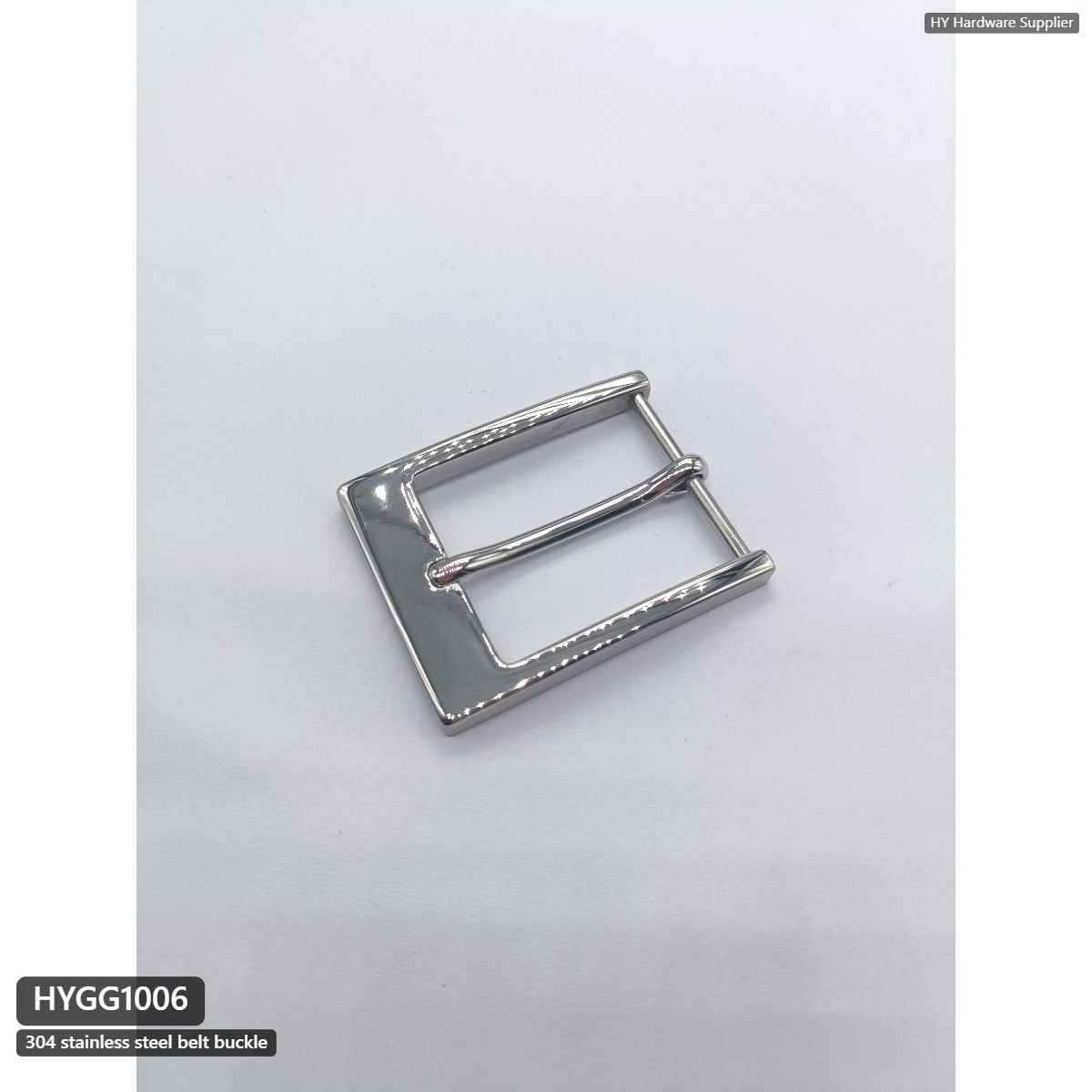
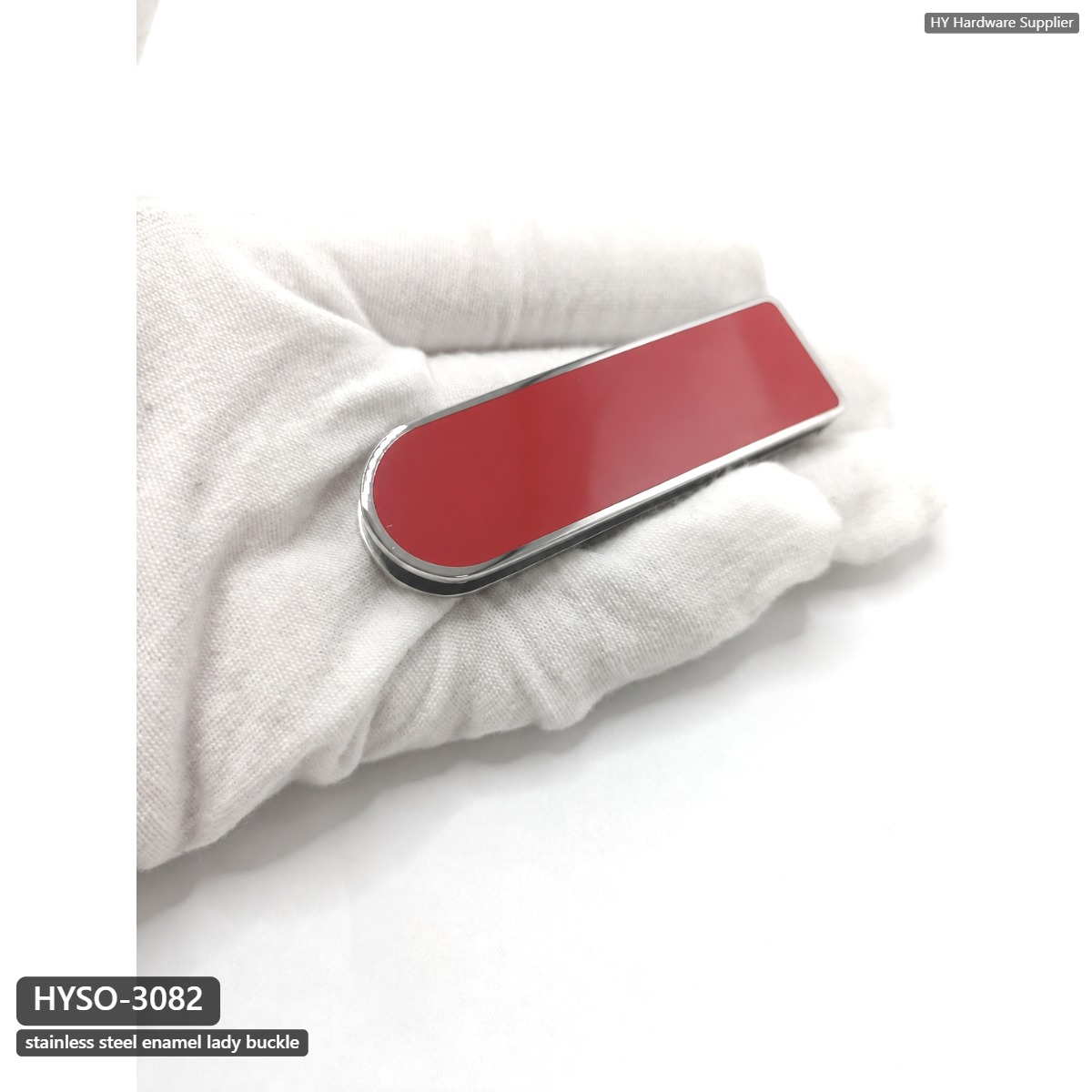
316L Stainless Steel is the specification for heritage brands and premium price points. It is impervious to the acidic tannins in real leather, passes nickel-release testing for the European market, and can be mirror-polished to a jewelry-grade finish that does not tarnish. PVD vacuum coating on stainless steel provides colour durability of 5–10 years under normal wear — significantly longer than electroplating on zinc. The trade-off is higher unit cost and longer tooling lead times.
Rule of thumb: zinc alloy for fashion and contemporary collections; stainless steel for premium and luxury positioning, or wherever hardware longevity is part of the brand story.
2. Mechanism: Pin, Auto, Clip, or Turning
Belt buckle mechanisms each carry different aesthetic and functional implications:
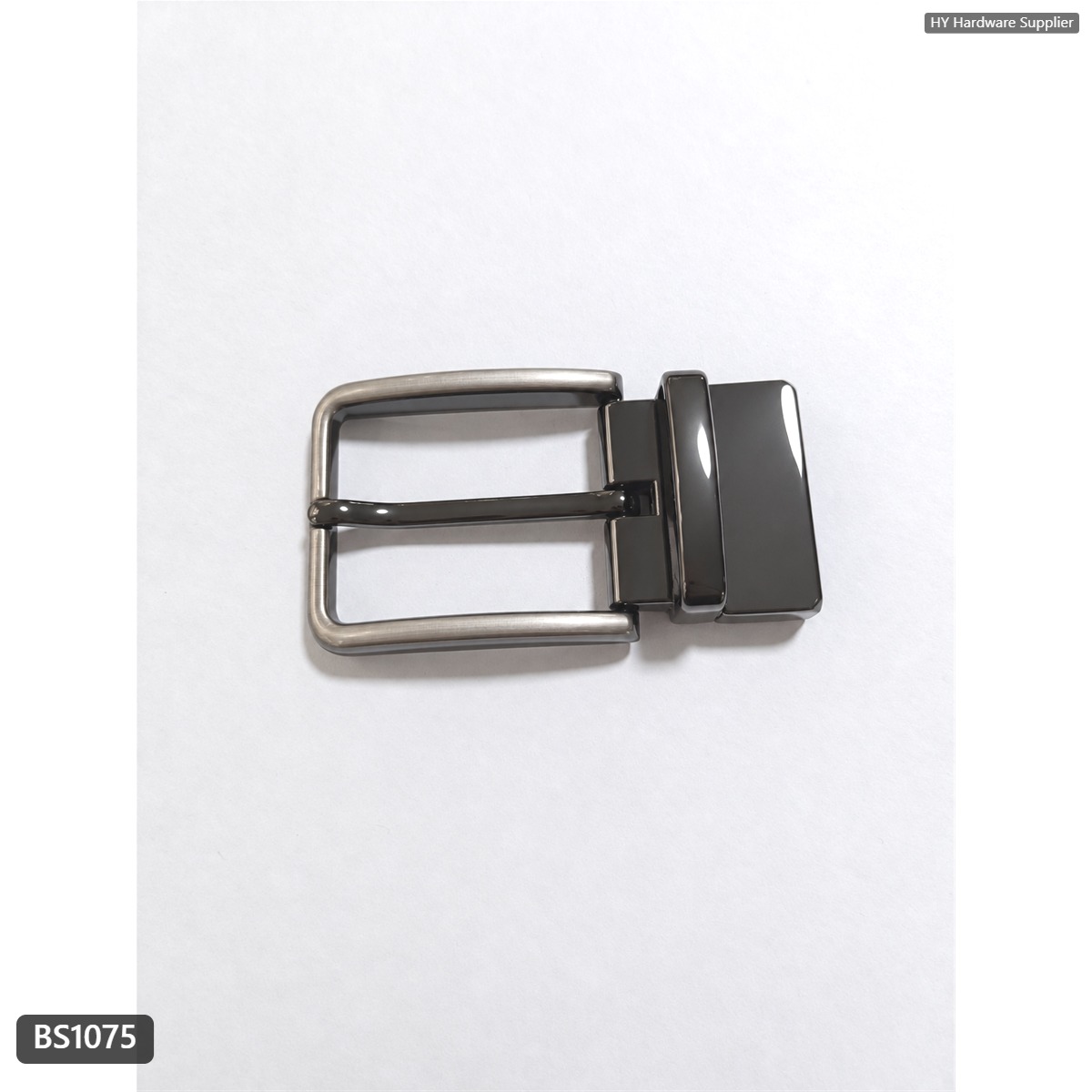
Pin buckles are the classic choice — reliable, easy to produce in custom shapes, and appropriate across all price points. The frame design is where most creative differentiation happens.
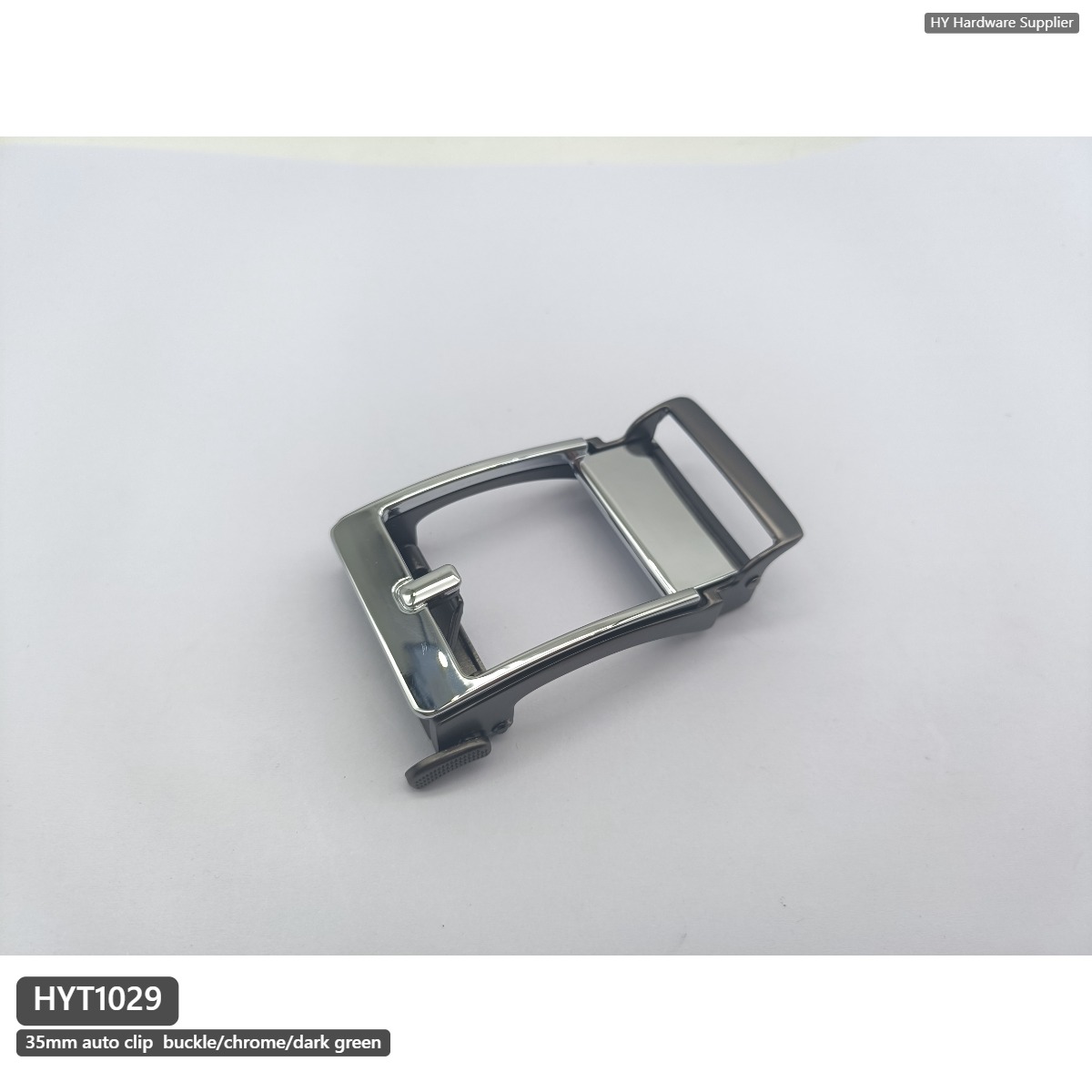
Automatic (auto) buckles use an internal ratchet mechanism for tool-free adjustment. Popular in men's dress belts and increasingly in casualwear. Available in 30mm, 35mm, and 36mm widths; the mechanism adds complexity and cost but delivers a clean, buckle-hole-free aesthetic.
Clip buckles allow quick on/off and are common in fashion-forward lines. The clip mechanism is visible and becomes a design statement.
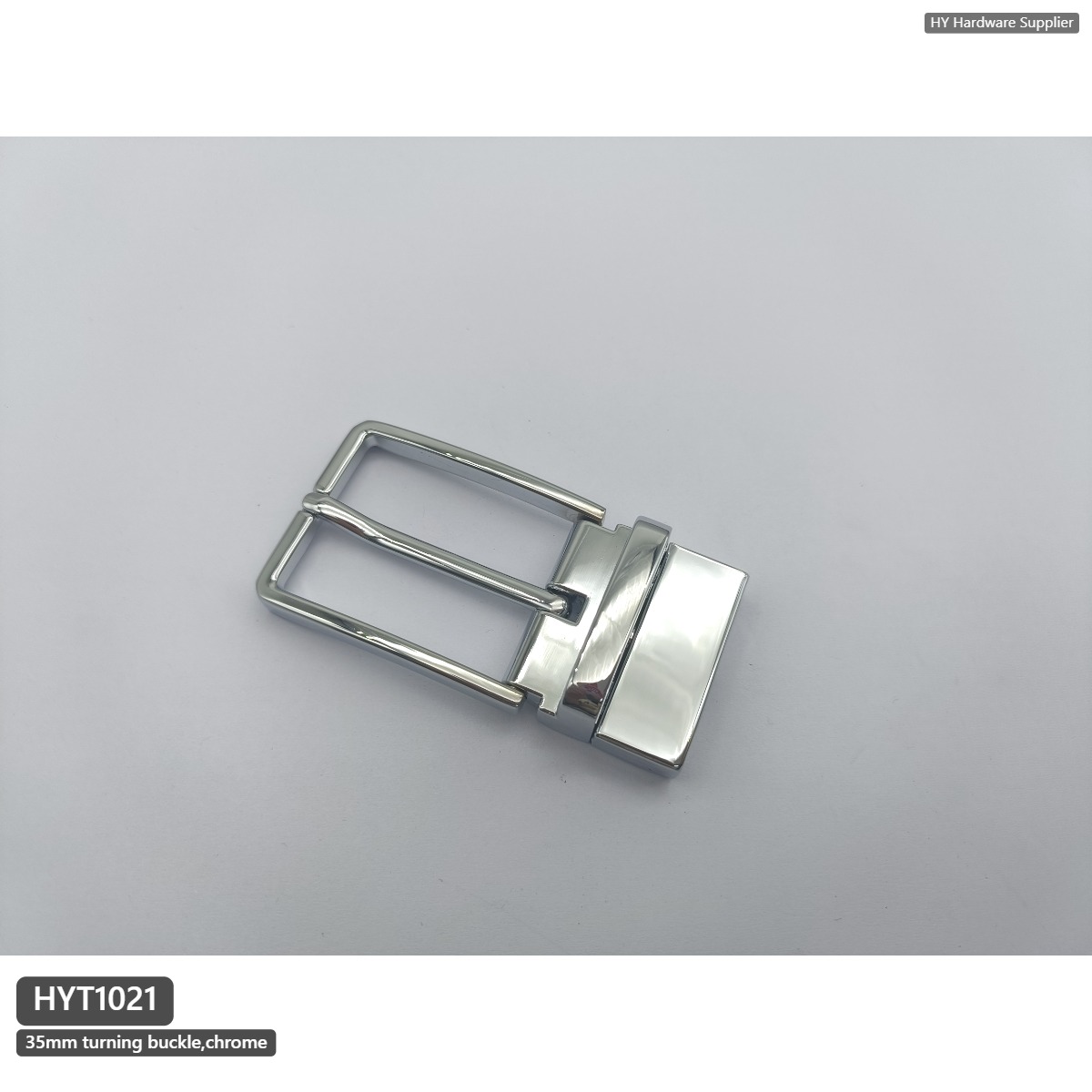
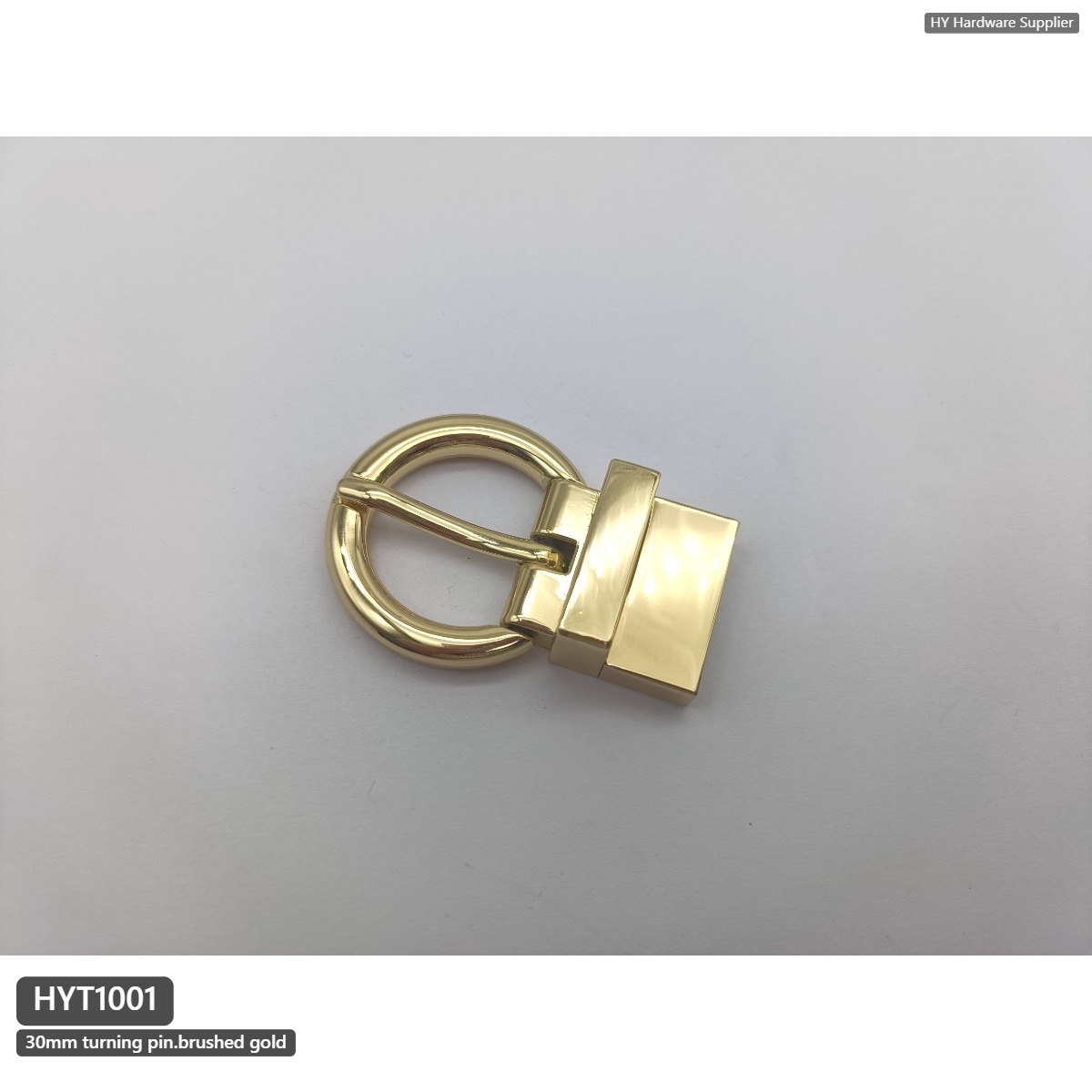
Turning/pivot buckles offer a more minimal look and are frequently specified for slim dress belts and women's belts.
3. Width: 30mm, 35mm, or 36mm
Belt width and buckle width must be matched precisely. The most common specifications:
30mm: women's belts, slim dress belts, minimalist styles.
35mm: the versatile standard for most men's and unisex belts.
36mm: slightly wider, common in fashion-forward men's belts and heritage-style designs.
Custom widths are available with tooling development, typically adding 15–25 days to the sample timeline.
4. Finish: Matching Your Brand Palette
Hardware finish is one of the most visible brand signals on a leather good. The main options:
Gold and light gold: classic luxury, works with tan and brown leathers.
Gunmetal and brushed gunmetal: contemporary and masculine, dominant in men's accessories.
Chrome and brushed nickel: clean, modern, pairs with black and grey leathers.
Antique brass: heritage and artisan positioning.
Matte black: streetwear and contemporary casual.
Custom Pantone matching: available for larger orders.
When ordering belt buckles as part of a set with bag hardware or shoe hardware, it is critical to batch all components in a single plating run to ensure colour consistency. Colour mismatch across a collection is one of the most common — and most avoidable — sourcing failures.
5. MOQ, Lead Time, and Sampling
For designer brands and emerging labels, minimum order quantity is often the deciding factor in supplier selection. Standard MOQs for custom zinc alloy belt buckles start from 400 pieces per style per finish. 316L stainless steel typically starts at 300 pieces.
A realistic development timeline:
NDA signing and quotation: 3–5 days.
Mold development: 15–25 days.
Sample production: 10–15 days after mold approval.
Sample revision (if required): 7–14 days.
Mass production: 20–30 days for zinc alloy, 15–35 days for stainless steel, after sample sign-off.
Total from first inquiry to first shipment: 8–14 weeks, depending on revision cycles.
Working With a Specialist Partner
The most efficient path is to work with a supplier who carries both zinc alloy and stainless steel capability, can advise on finish matching across a full hardware set, and has direct OEM experience with mid-to-high-end brands.
At HY Hardware Supplier, we partner with two dedicated factories — one specialising in zinc alloy (Zamak 3) belt buckles, one in jewelry-grade 316L stainless steel — and have served designer and luxury brands across 30+ markets. MOQ from 300 pieces, prototypes typically in 10–15 days for zinc alloy and 10–25 days for stainless steel, REACH/RoHS compliant for EU markets.