Putting your own brand on a belt buckle sounds simple until you ask for a quote and get five follow-up questions back. Custom or private-label? Which logo method? What quantity? Own mould or an existing shape? Each answer moves your cost and timeline, and most first-time buyers do not know which lever they are pulling. This guide walks through the decisions a manufacturer wishes you had made before you inquired — so your first email gets a real quote instead of a questionnaire.
Three Routes: Catalogue, Branded, or Fully Custom
There is not one way to get a branded buckle — there are three, and picking the wrong one wastes either money or time.
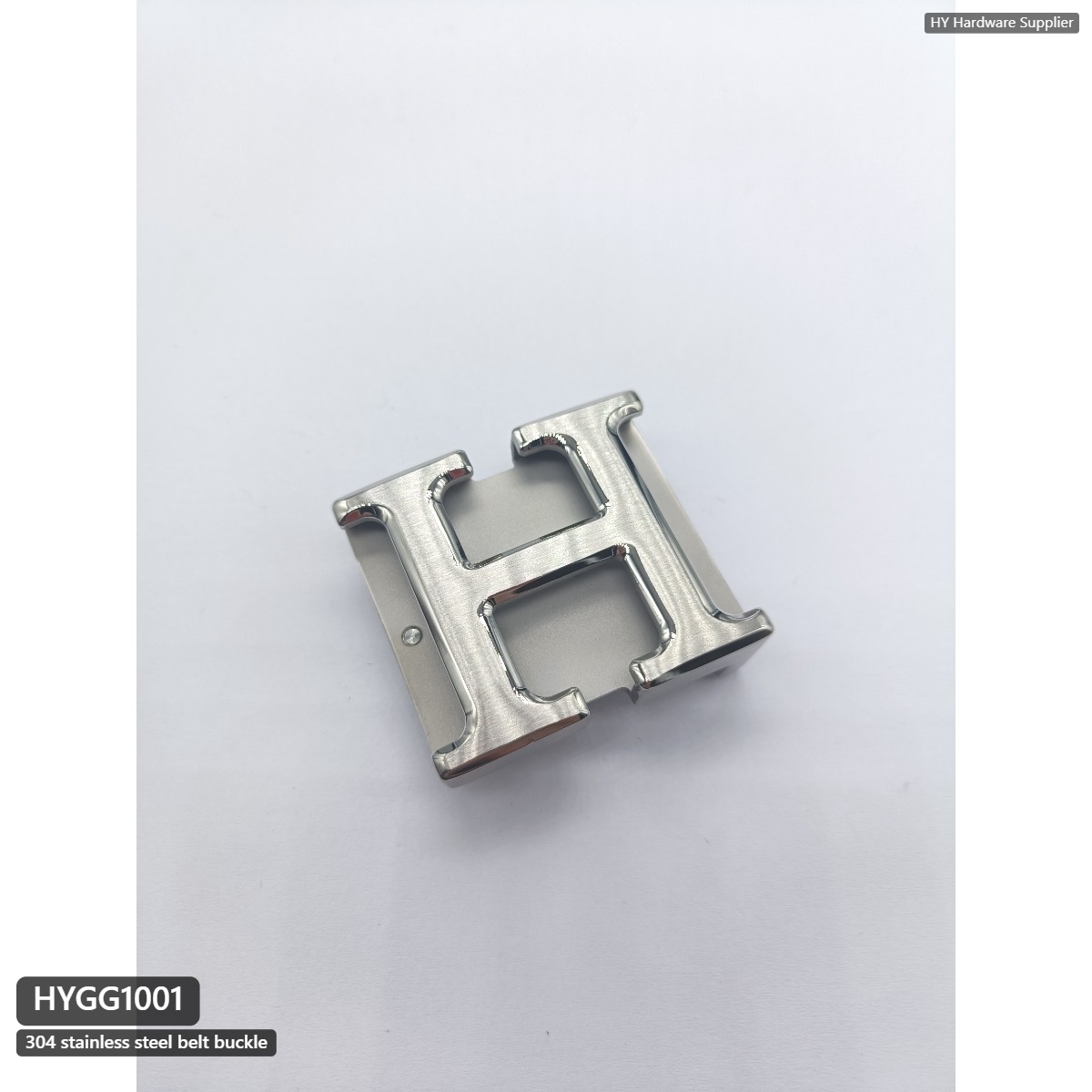
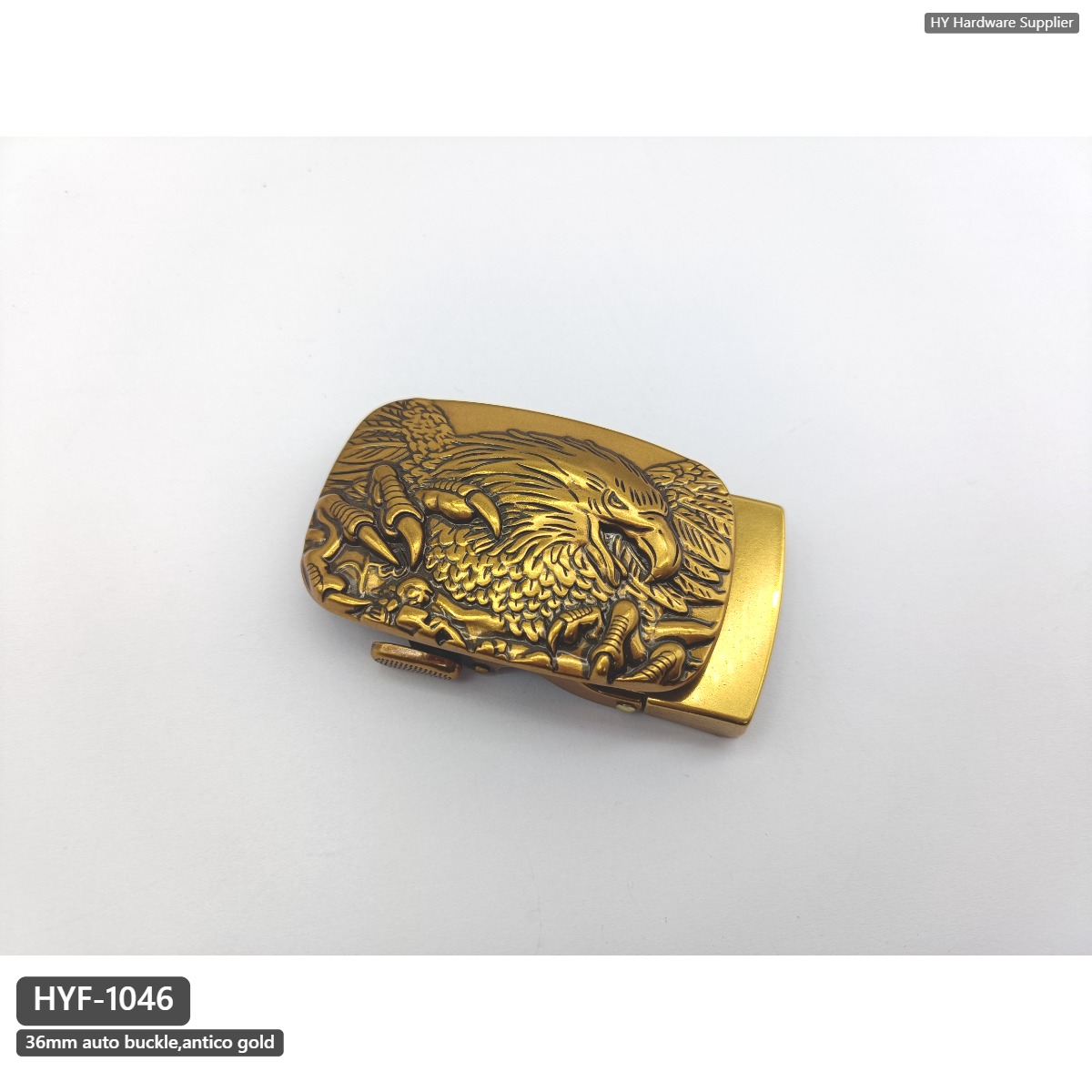
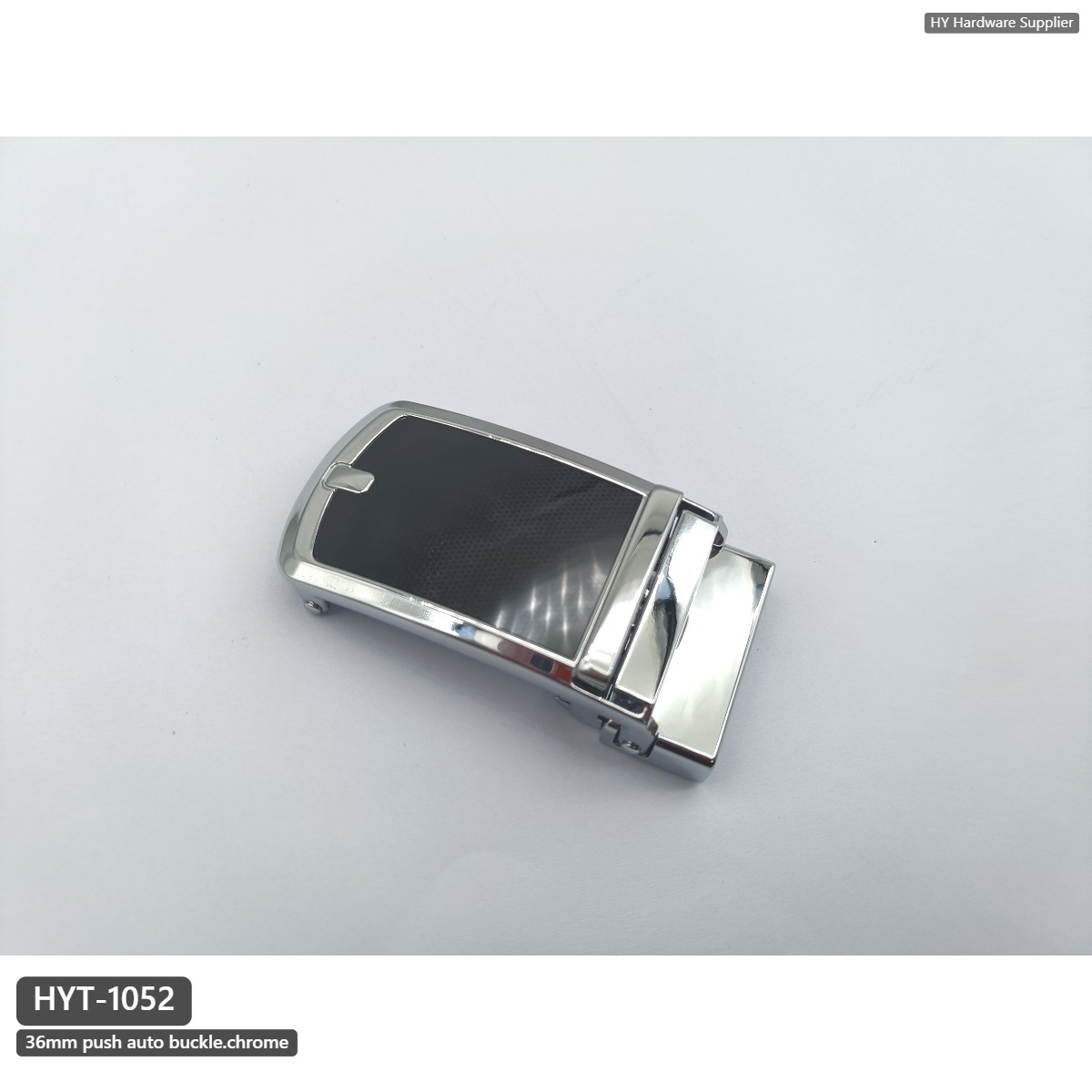
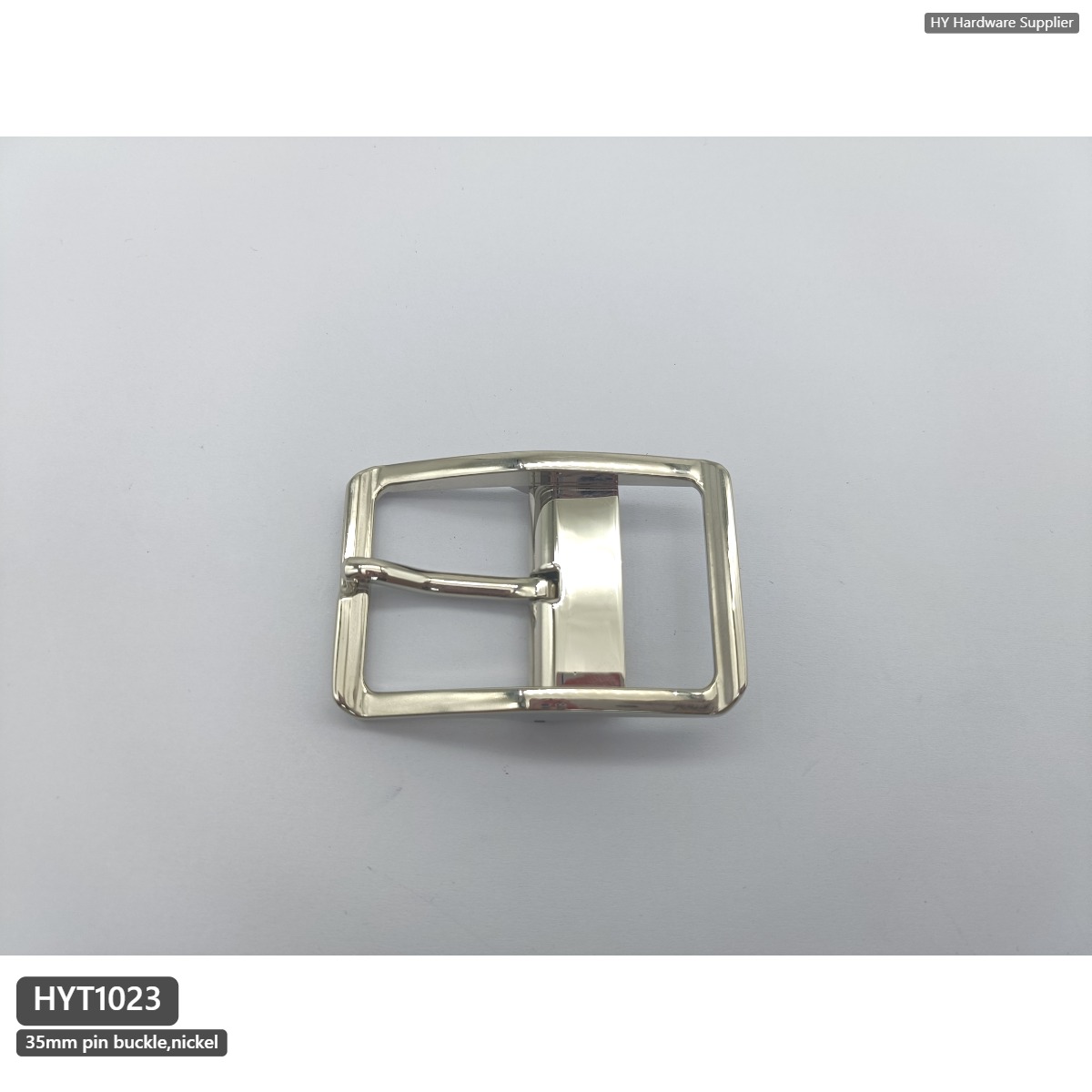
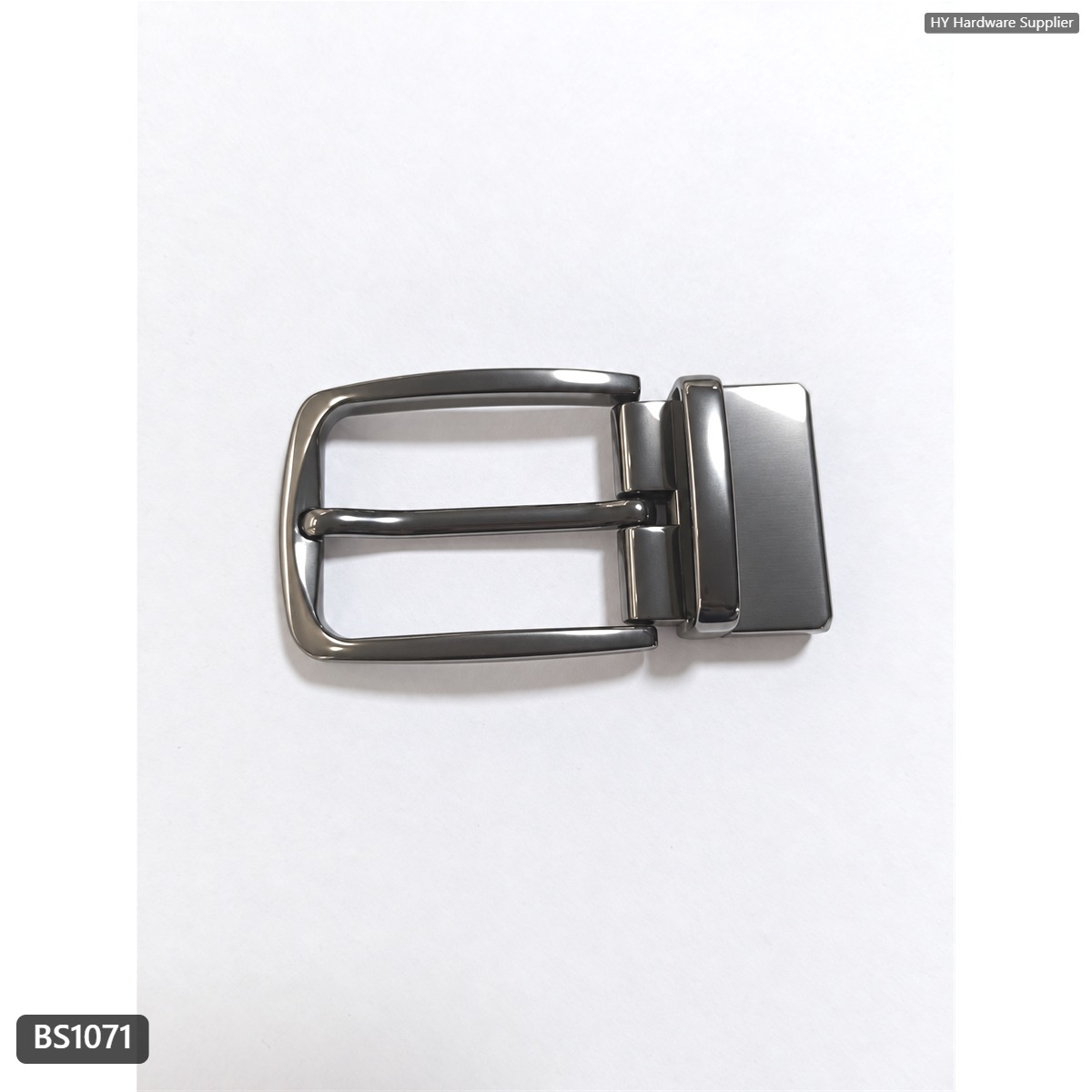
- Catalogue buckle: an existing, ready-tooled shape, produced in your finish. No tooling cost, the lowest minimums, the fastest turnaround. Right for testing a market or a first small drop.
- Branded catalogue (private-label): the same existing shape with your logo added by a secondary process. Still no mould to cut, so it stays fast and affordable while carrying your brand. This is where most new belt lines start.
- Fully custom: your own buckle shape, developed from a drawing or CAD file and cut into a dedicated mould. It carries a tooling fee and a higher minimum, but the shape is yours and no competitor can buy it off a shelf. The move to make once a style has proven itself.
A common and sensible path is to launch private-label to get to market quickly, then reinvest in a fully custom mould for the styles that sell.
Logo Methods: What Actually Works on Metal
How your logo is applied changes both how premium it looks and what it costs. The main options on a metal buckle:
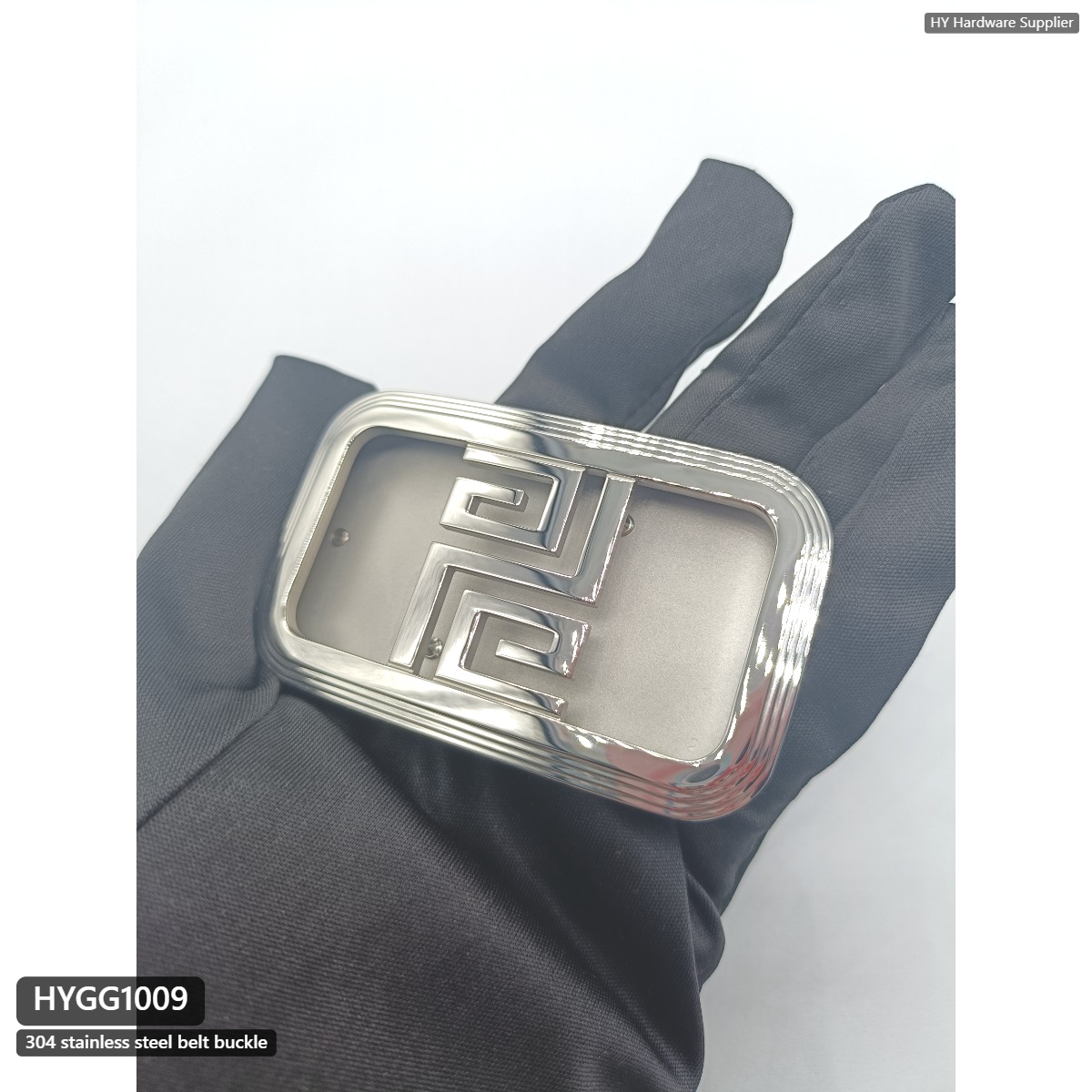
- Cast-in relief — the logo is built into the mould itself, so it comes out as a raised or recessed 3D mark that is part of the metal rather than a coating on top of it. This reads as the most high-end option, but it only exists on a custom or dedicated tool.
- Laser engraving — a fast, precise surface mark applied after casting. It needs no tooling, which makes it the most flexible option for adding a logo to a catalogue buckle or running small quantities.
- Photo-etching — a chemical process that reproduces very fine detail on flatter surfaces, useful for intricate marks or text.
- Enamel or colour fill — colour set into a recessed logo, for brands whose mark depends on a specific colour.
If your brand relies on a dimensional, tactile logo, budget for cast-in relief on a custom tool. If you are launching lean or testing designs, laser engraving on a catalogue shape gives you a branded product without the tooling commitment.
MOQ & Tooling: The Numbers to Expect
Minimums exist because a mould and a plating run have to be justified. For fully custom zinc alloy belt buckles, MOQ typically starts from 400 pieces per style per finish. Adding a logo to a catalogue buckle by laser engraving can often be done at a lower minimum, since there is no tool to amortise. Watch for a second layer of minimums too: a per-finish or per-colour minimum can matter as much as the headline piece count if you plan several colourways.
Tooling for a fully custom buckle is quoted per project rather than as a fixed published price, because it scales with the design's size and complexity. The questions that matter more than the number itself are who owns the mould once it is paid for, whether the fee is refundable or credited against production, and whether the tool is exclusive to you — all of which should be agreed in writing before payment. We cover these in detail in our guide to who owns the mould.
Material & Compliance: Decide Early, Because It Changes the Quote
Material is not just a price point; it changes tooling, finish and lead time. Zinc alloy (zamak) is the workhorse for fashion and contemporary belts because it casts fine detail affordably; 316L stainless steel suits heritage positioning and higher price points. The full trade-off is in our guide to choosing the right belt buckle, and what separates a good zinc casting from a cheap one is covered in high-quality zinc alloy belt buckles.
One compliance point decides itself by market: if you sell into the EU, nickel release on skin-contact items is regulated under REACH. Whether your line needs nickel-free plating is a market question, not a style question — so put your target market in the brief from day one, and confirm the plating options and any cost impact with your supplier before tooling, not after.
The Development Timeline
For a fully custom buckle, a realistic path from first contact to first shipment:
- Quotation and, if needed, an NDA — a few days.
- Mould development — around two to three weeks.
- Sampling — about 10 to 15 days after the mould.
- Revision round, if required — adds time.
- Mass production — roughly 20 to 30 days after sample sign-off.
A branded catalogue buckle skips the mould stage and is meaningfully faster. The full step-by-step for bespoke development is in our OEM development process guide.
What to Send for an Accurate Quote
The difference between a same-day quote and a week of back-and-forth is what you put in the first email. Include as many of these as you can:
- A design reference — a CAD or vector file, or a clear photo of a style you like.
- Buckle and strap width.
- Quantity per style (and how many finishes or colourways).
- Material preference — zinc alloy or stainless steel.
- Finish or colour, and the logo method you want.
- Target market — the EU flags nickel-free and REACH from the outset.
Working With HY Hardware Supplier
We produce both catalogue and fully custom belt buckles, in zinc alloy and 316L stainless steel, and advise on the route that fits your stage — private-label to launch, custom tooling once a style earns it. Logos can be cast into the tool as 3D relief or applied by laser engraving on catalogue shapes, and a full hardware set can be produced and plated in the same batch so it matches in tone. MOQ for custom zinc alloy belt buckles starts from 400 pieces per style, with prototypes typically ready in 10 to 15 days. Send us the checklist above, including your target market, and we will come back with a real quote, not a questionnaire.