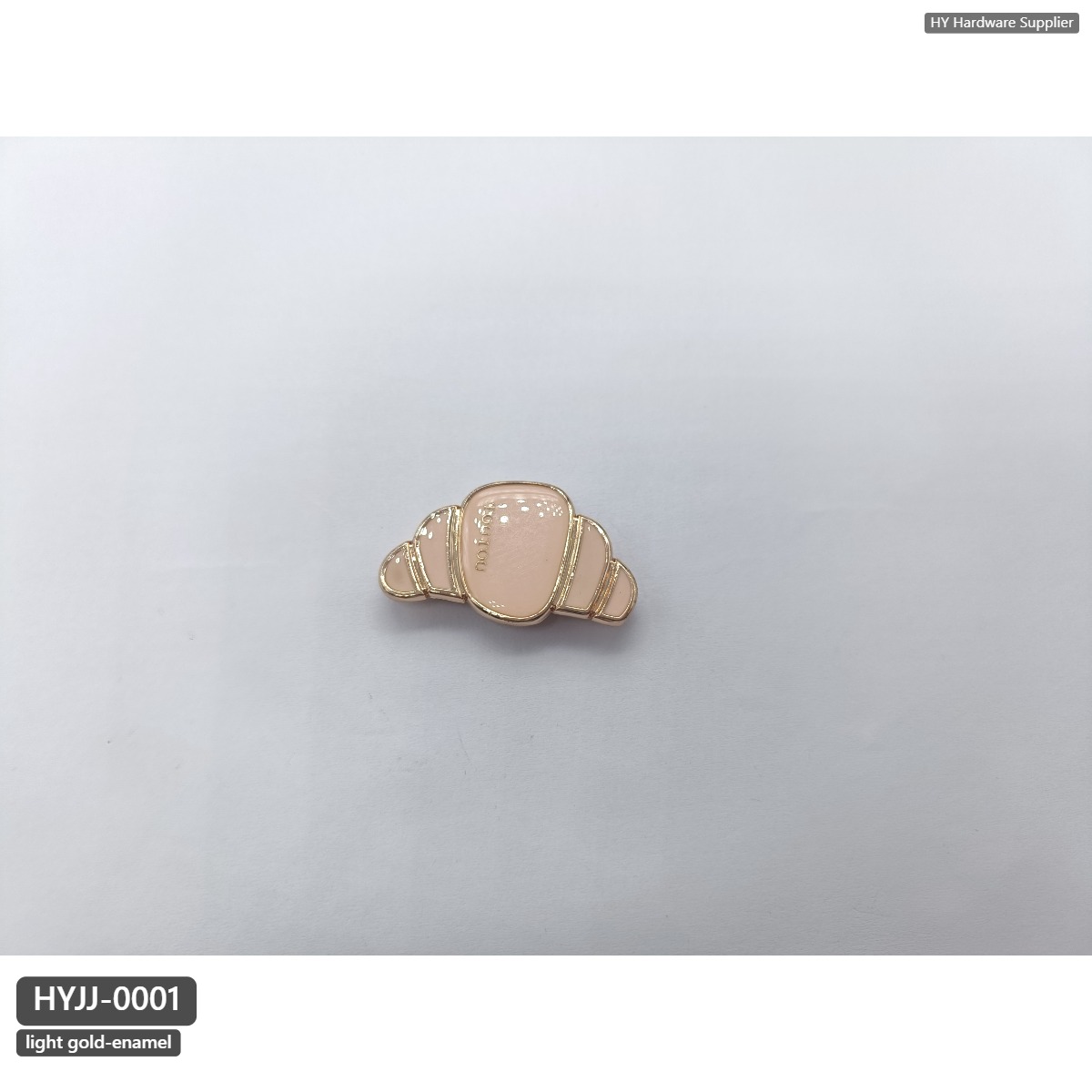
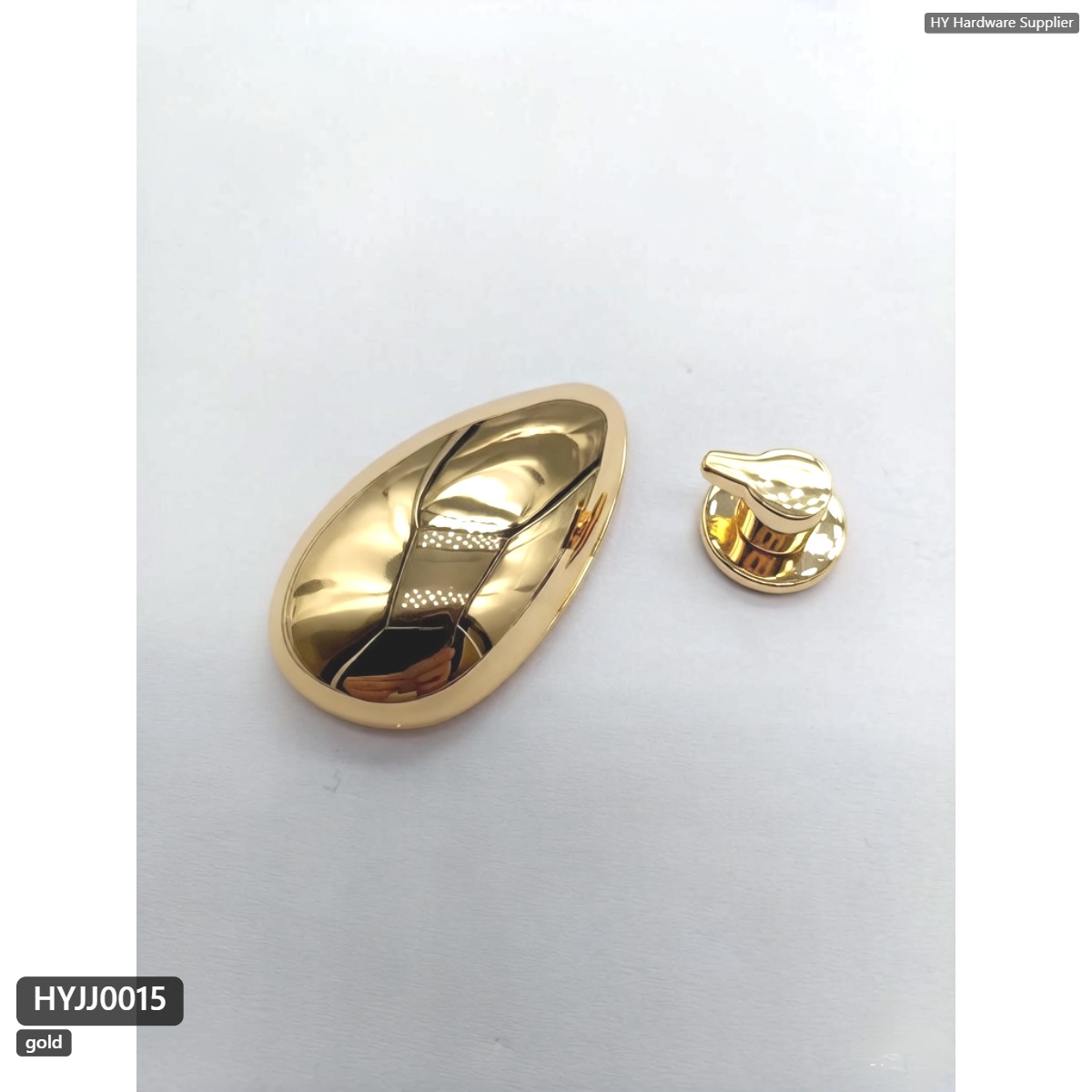
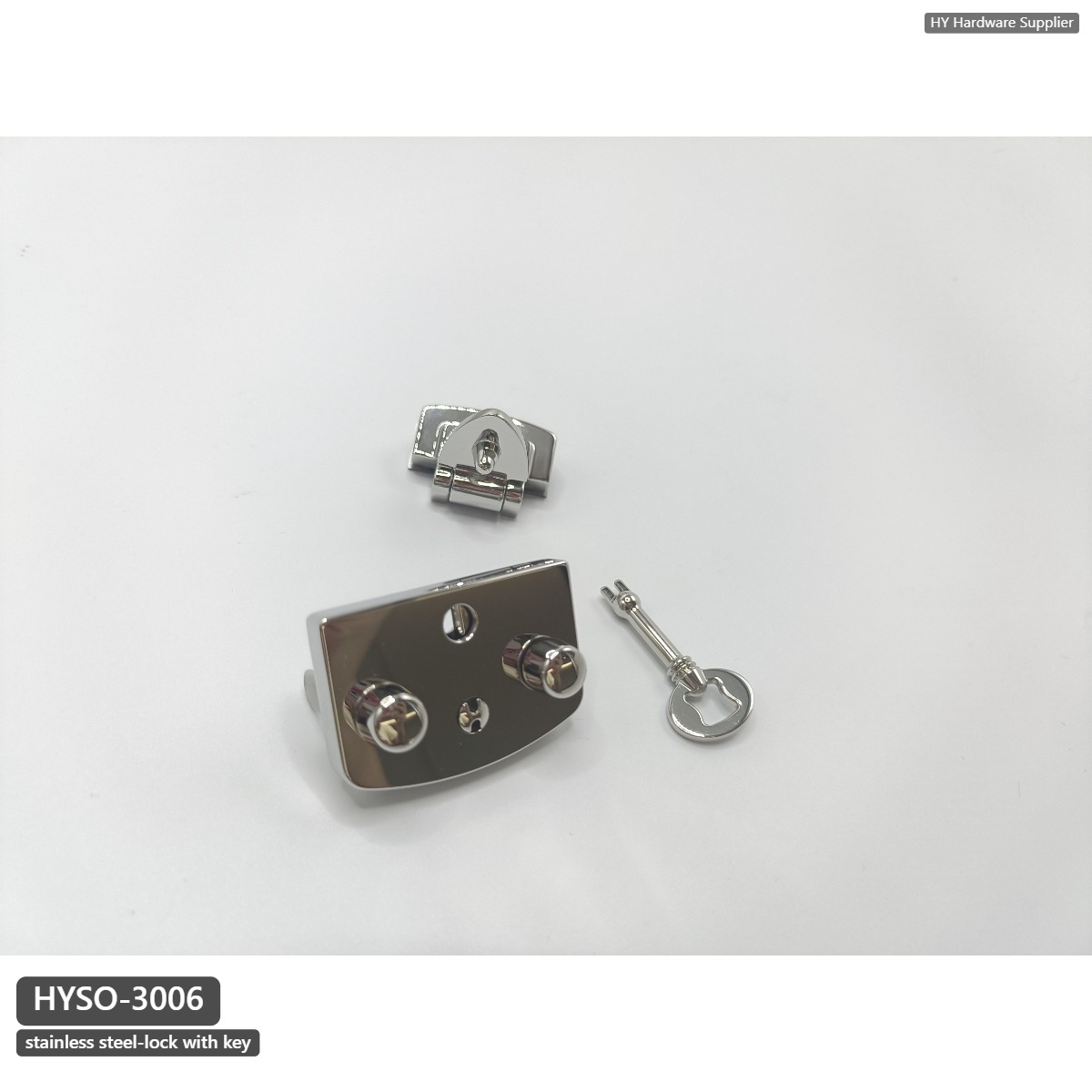
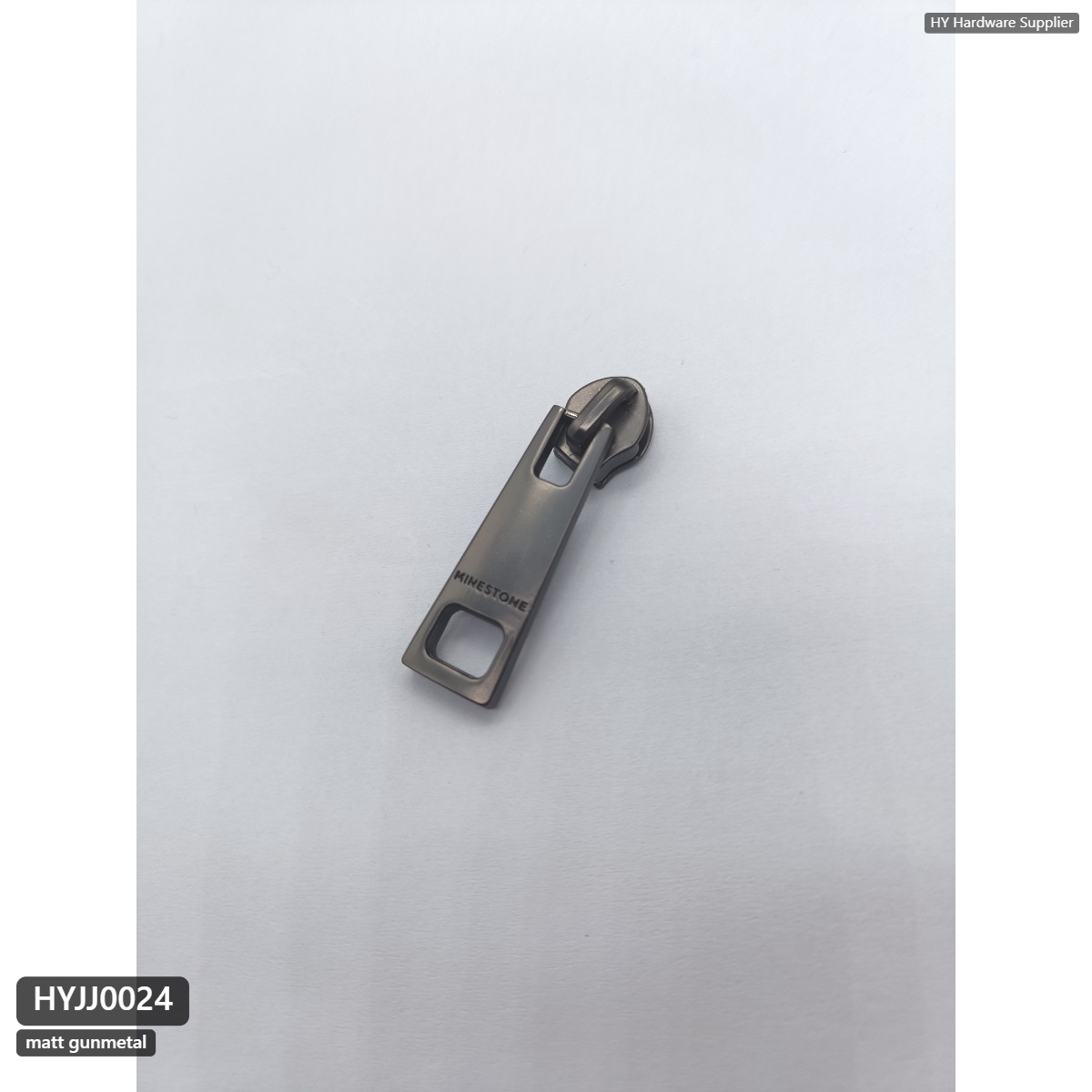
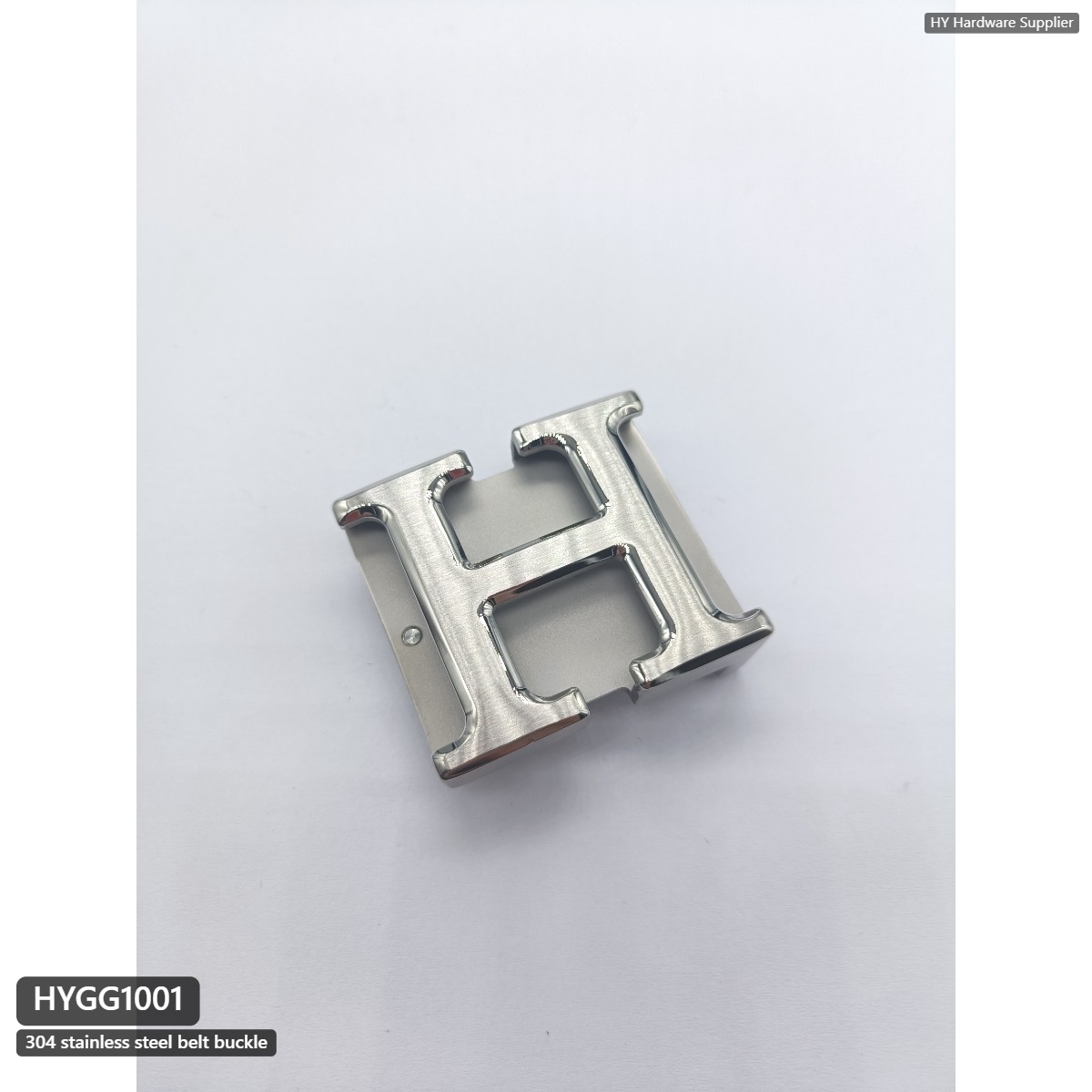
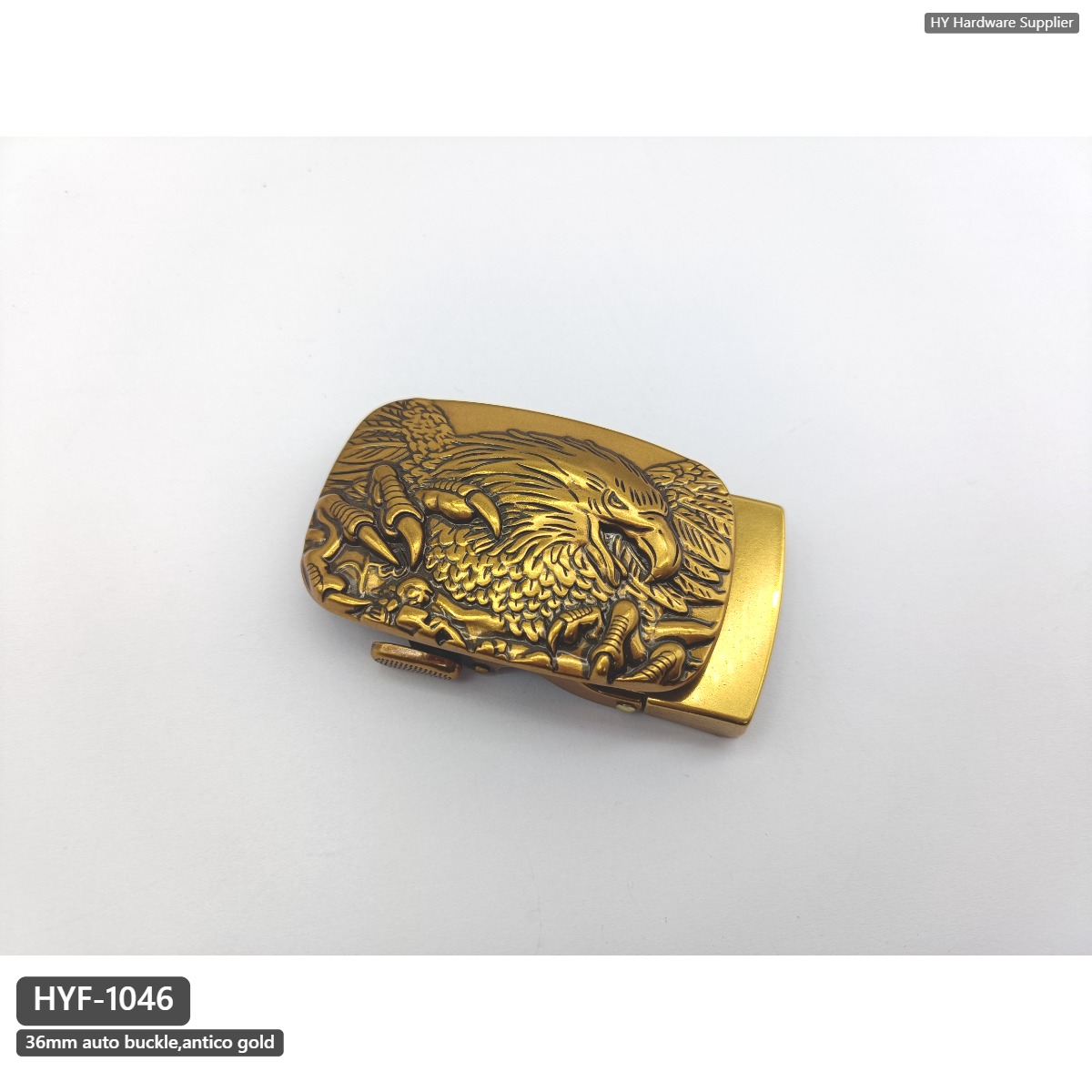
You have a custom buckle design, the factory quotes a tooling fee, and a question immediately forms in the back of your mind: if I pay for this mold, is it mine? Followed by a darker one: what stops the factory from running my design for someone else?
These are the two most common fears in custom hardware development, and they are legitimate. A mold is a real asset — it embodies your design, and whoever controls it controls your supply. Yet mold ownership is rarely discussed openly, and many brands pay tooling fees without a single line in writing about what they just bought. This guide explains how mold ownership actually works in the leather-hardware industry, and what to put in writing before you pay.
What a Tooling Fee Actually Pays For
A tooling fee covers the engineering work that turns your drawing into a production tool: translating the design into mold CAD, machining the steel mold (typically by CNC and spark erosion), fitting it to the casting machine, and running trial shots until the parts come out right. For zinc alloy hardware this means a die-casting mold; for stainless steel it may mean casting tooling, stamping dies or CNC programming depending on the construction.
The fee reflects hours of skilled toolmaking, not a markup on your order. That is why factories charge it separately — and why the question of who owns the result deserves a clear answer.
The Three Ownership Models
1. Buyer pays in full → buyer owns the mold. This is the standard and cleanest arrangement. If you pay the full tooling fee, industry norm says the mold is yours: the factory cannot use it for other customers, and you can request its transfer. But this norm only protects you if it is written down — on the proforma invoice, the tooling agreement, or at minimum in the email trail.
2. Factory absorbs the tooling cost → factory owns the mold. Some suppliers waive the tooling fee to win a project, and quietly retain ownership. There is nothing wrong with this model — but you should know you are choosing it. If the factory owns the mold, exclusivity is a matter of agreement and trust, not property rights, and you cannot take the mold with you if the relationship ends.
3. Refundable tooling → a hybrid. A very common middle path: you pay the tooling fee up front, and the supplier credits it back against production orders once you start ordering. This aligns both sides — you carry less sunk cost as volume builds, and the factory knows the mold investment is backed by real intent to order. If a supplier offers this, get the refund conditions (order volume, time window) in writing too.
Ownership on Paper vs. the Mold on the Factory Floor
Here is the part that surprises many first-time buyers: even when you own the mold, it stays at the factory. A die-casting mold only produces parts when it is mounted on a casting machine, so physical possession and legal ownership are separate things. What ownership gives you is control — the right to say who runs the mold, and the right to have it released.
Transfer, however, is not always plug-and-play. Molds are built to fit a specific factory's machines, so a mold moved to a new supplier may need modification before it runs. This is not a reason to skip the ownership clause; it is a reason to also agree, up front, on what happens if you ever ask for the mold: release timeline, condition, and any outstanding balance that must be settled first. Negotiating release terms during a dispute is the worst possible timing.
The Bigger Fear: Design Reuse
Mold ownership protects the physical tool. Your design needs protection too — a factory could, in theory, cut a second mold from your drawings. This is why the development process should start with an NDA before any files change hands, and why the supplier's track record matters more than any single document.
Red flags worth taking seriously: a supplier whose catalogue contains obvious replicas of well-known designs; reluctance to sign an NDA; vagueness when you ask directly whether custom molds are shared across customers. A supplier who serves brand customers long-term simply cannot afford design leaks — their business depends on confidentiality holding.
Six Questions to Ask Before You Pay a Tooling Fee
- Who owns the mold once I pay? Get the answer written on the PI or tooling agreement.
- Is the mold exclusive to my brand? Even for catalogue-based modifications, clarify what is exclusive and what is not.
- Is the tooling fee refundable against orders? If yes, at what volume and within what period?
- What are the release terms? If I move production, how and when is the mold handed over?
- Who maintains the mold, and who pays when it wears out? Molds have a finite life; replacement responsibility should not be a surprise.
- Is an NDA signed before I send drawings? If a supplier hesitates here, stop.
Our Approach at HY Hardware Supplier
We develop custom belt buckles and bag hardware for designer and luxury brands, and our process is built around the concerns above. We sign an NDA before any drawings or specifications are exchanged, and custom designs are never reproduced, shared or referenced for other customers — a commitment we hold to with or without a formal NDA. Tooling is quoted per project based on the design's complexity, and depending on the project the tooling fee can be refunded or waived against confirmed orders. Mold development typically takes 15–25 days, followed by sample approval before mass production.
If you are planning a custom hardware project, our guide to the OEM hardware development process walks through the full path from CAD to shipment, and our MOQ guide for designer brands covers the order-quantity side of the same decision.