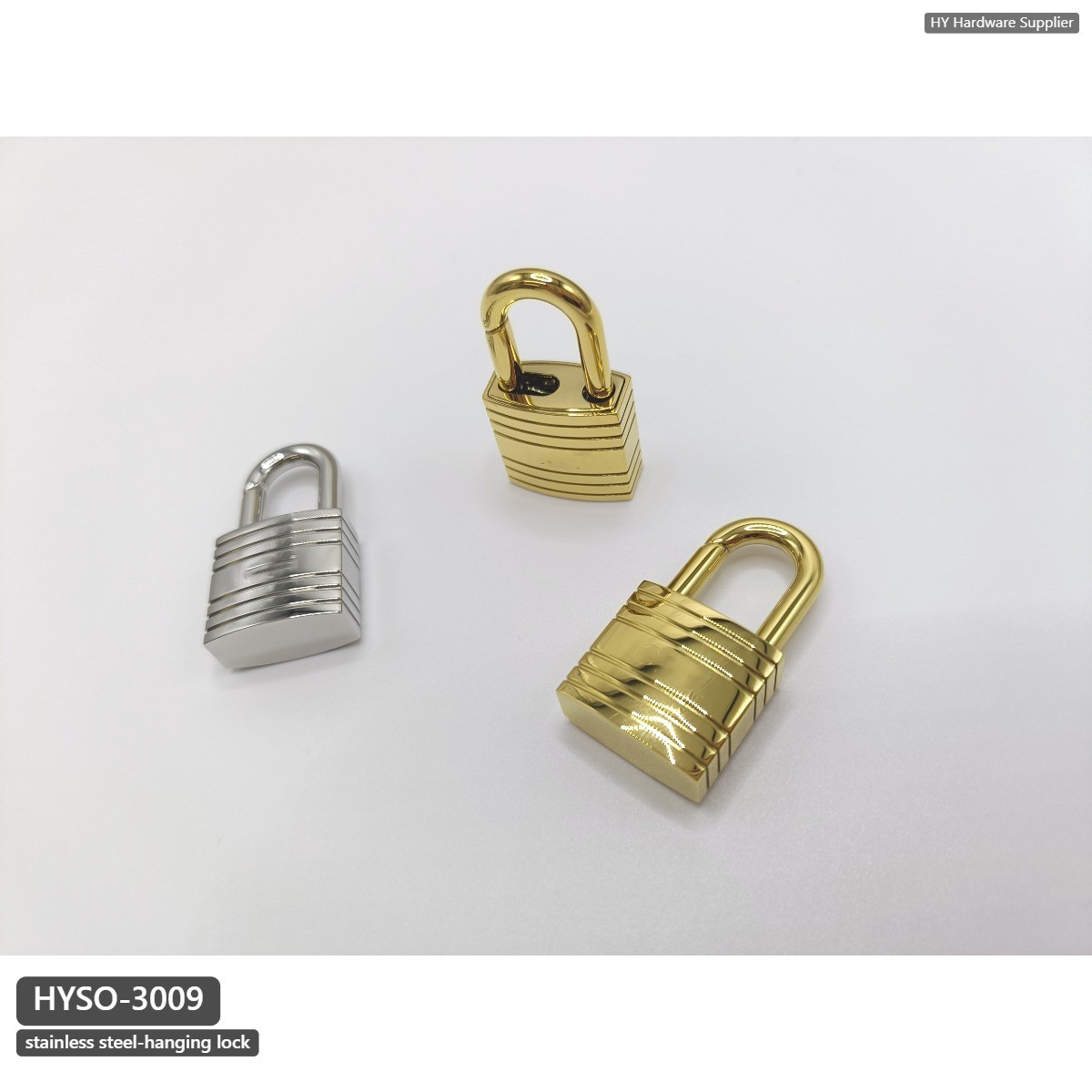
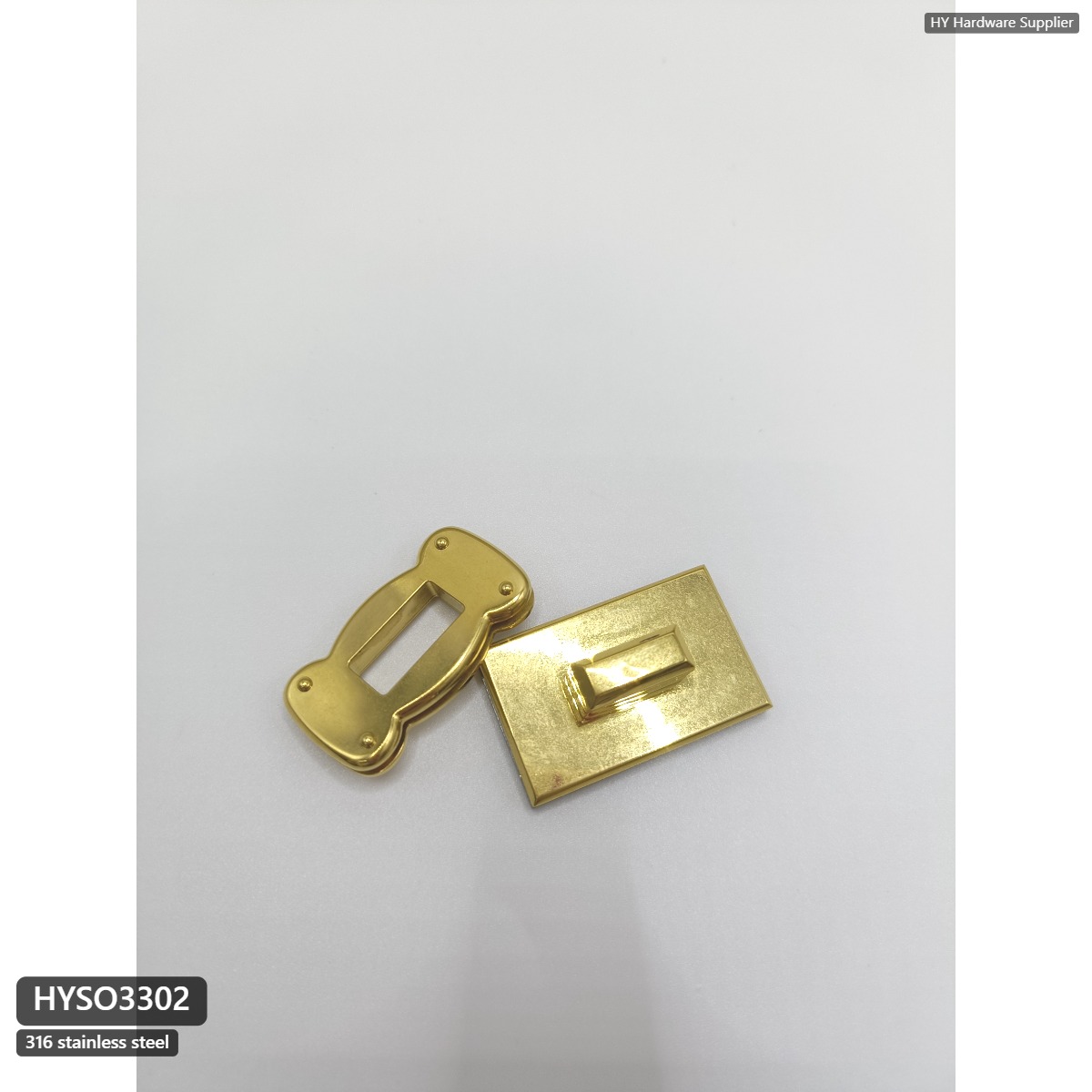
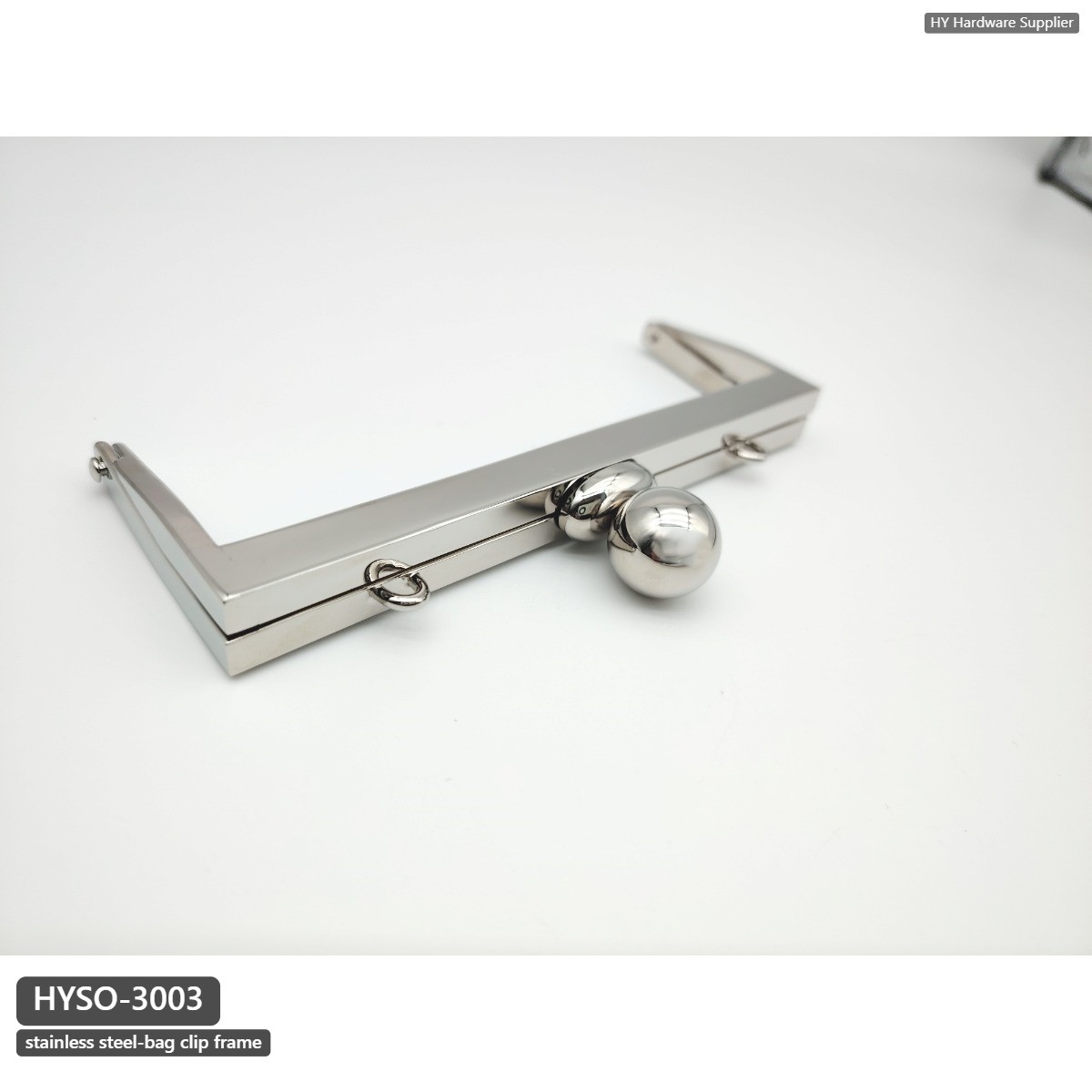
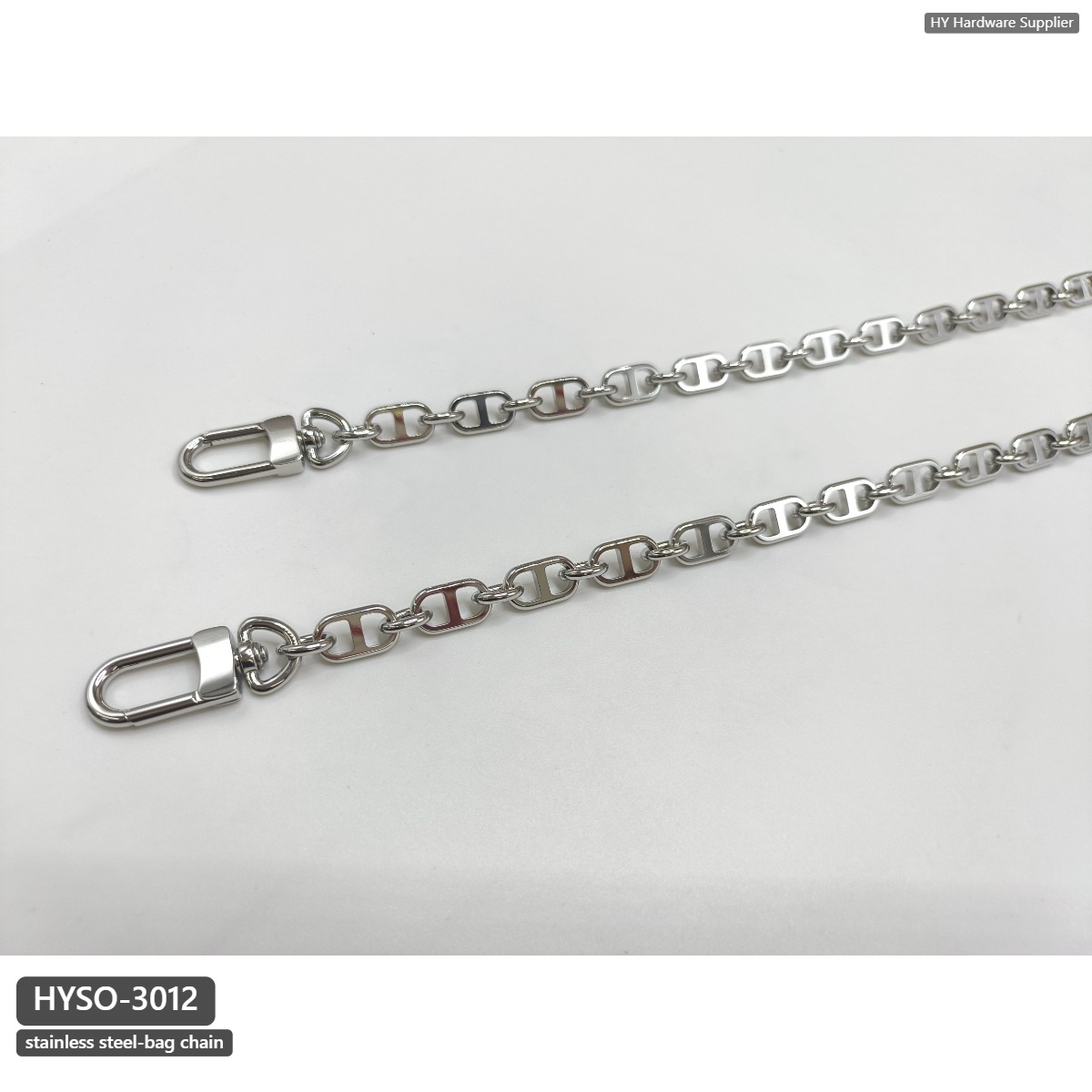
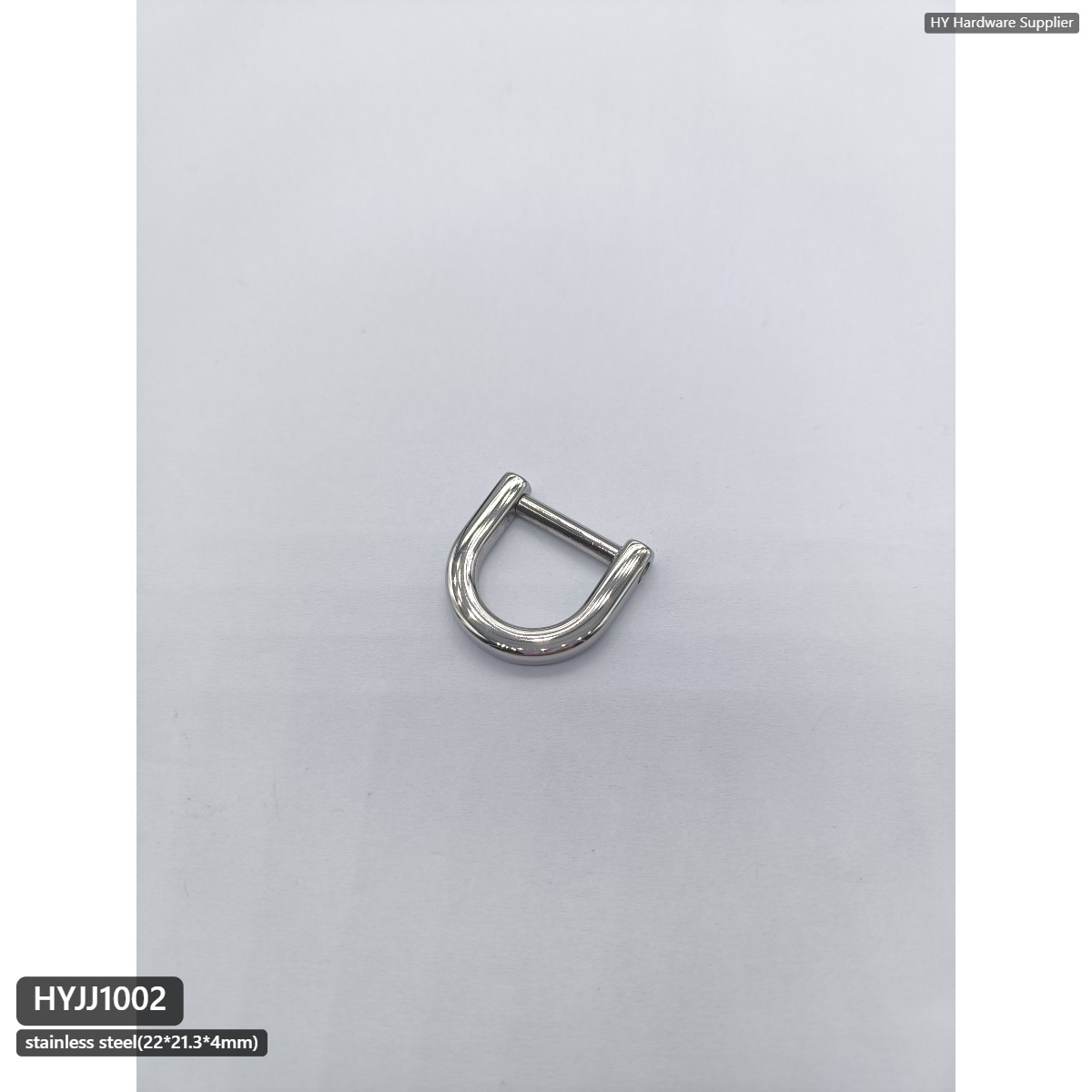
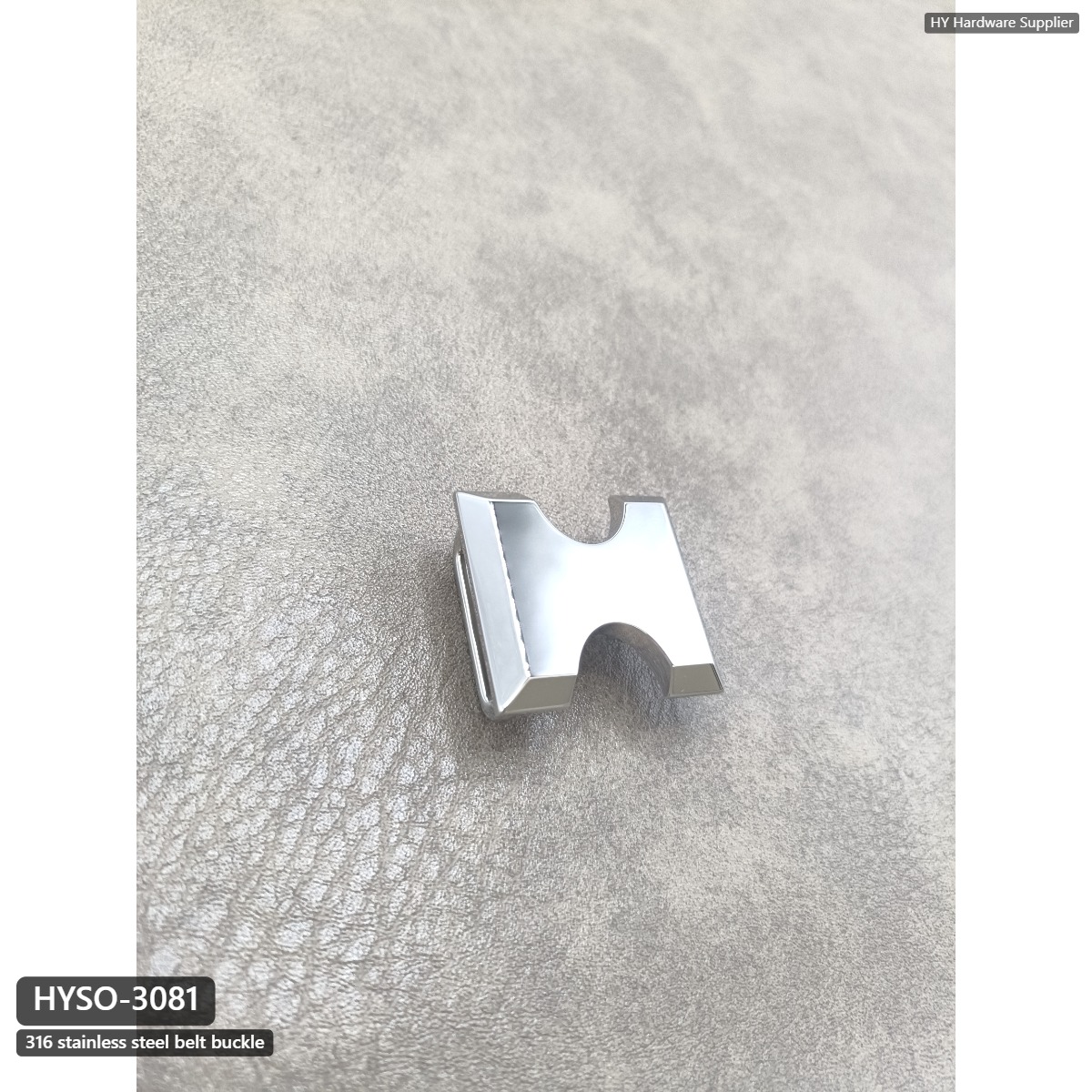
For European luxury and designer brands, hardware is no longer judged on appearance and price alone. A third question now sits at the center of every sourcing conversation: is it sustainable, recyclable, and compliant with EU environmental regulations? For brands selling into the European market, this is no longer optional — it is a baseline expectation from buyers, regulators, and increasingly, end customers.
Stainless steel, paired with PVD surface finishing, has emerged as the material that answers all three questions at once. Here is why more European brands are making the switch — and what it means for your next collection.
1. Stainless Steel Is Infinitely Recyclable
Stainless steel is one of the most environmentally responsible materials in the entire hardware industry. It is 100% recyclable without loss of quality — the same piece of 316L steel can be melted down and reborn as new hardware indefinitely, with no degradation in performance. For brands building circular-economy credentials and publishing sustainability reports, this is a material story that holds up to scrutiny.
We work primarily with high-grade 316L, 316, and 304 stainless steel. These grades are not only the most corrosion- and oxidation-resistant on the market — they are also the cleanest from an end-of-life perspective, fully reclaimable through standard metal recycling streams that already exist across Europe.
2. PVD Coating: The Eco-Friendly Alternative to Electroplating
Traditional electroplating relies on chemical baths and layered copper-nickel-gold deposits that generate hazardous waste and are prone to peeling, oxidizing, and fading. It is exactly the kind of process European environmental regulation is moving away from.
PVD (Physical Vapor Deposition) is fundamentally different. The coating is bonded to stainless steel atom by atom, under high vacuum, with no chemical baths and no hazardous chemical waste — the color sits within the metal itself rather than as a fragile surface layer. The result is a finishing process that aligns directly with today's sustainability standards, while also outperforming electroplating on durability:
Longevity: On stainless steel, PVD coatings typically retain their appearance for 5–10 years or more under normal use. Copper-based electroplating can fade or wear far faster in daily-use applications.
Adhesion & efficiency: PVD bonds at the molecular level. A gold-colored PVD layer of just 0.03µm delivers visual and performance results comparable to 0.3–0.5µm of traditional gold plating — less material consumed, longer life delivered.
Maintenance: PVD requires minimal care, while electroplated finishes often need re-polishing or re-plating over their lifetime, consuming more resources downstream.
3. Compliance With EU Environmental Regulations
For any brand selling into Europe, regulatory compliance is a hard requirement, not a marketing bonus. The combination of 316L stainless steel and PVD finishing is well suited to the strictest European market expectations — including nickel-release considerations that affect skin-contact components, and the broader move away from hazardous-substance processing under frameworks such as REACH.
Choosing inherently stable, recyclable materials with a clean finishing process reduces compliance risk at the source — rather than managing it through testing and documentation after the fact. For sourcing managers, that means fewer surprises during audits and a supply-chain story that withstands buyer due diligence.
4. Sustainability Without Compromising Luxury
The common fear is that the "green" choice means a compromise on aesthetics. With stainless steel, the opposite is true. The high density of the material allows fine polishing to a flawless mirror surface that lasts — and PVD delivers consistent, stable colors in gold, rose gold, gunmetal, and black that do not oxidize or tarnish. High dimensional accuracy (logo thickness 0.6–1.2mm, fine lines down to 0.5mm) means custom branding loses none of its precision.
This is why many top leather goods brands are now using more stainless steel than brass: it is the rare choice that improves sustainability, compliance, and perceived quality at the same time.
Building a Compliant, Sustainable Hardware Program
Sustainability in hardware is not a single decision — it is a material strategy. Choosing recyclable 316L stainless steel with PVD finishing gives European brands a defensible, audit-ready foundation: infinitely recyclable, free of hazardous plating waste, durable enough to reduce replacement cycles, and refined enough for the most demanding luxury collections.
If you are evaluating a more sustainable hardware program for your European market, we can advise on grade selection, PVD finish options, and compliance considerations for your specific products. Contact us with your requirements and we'll respond within 24 hours.