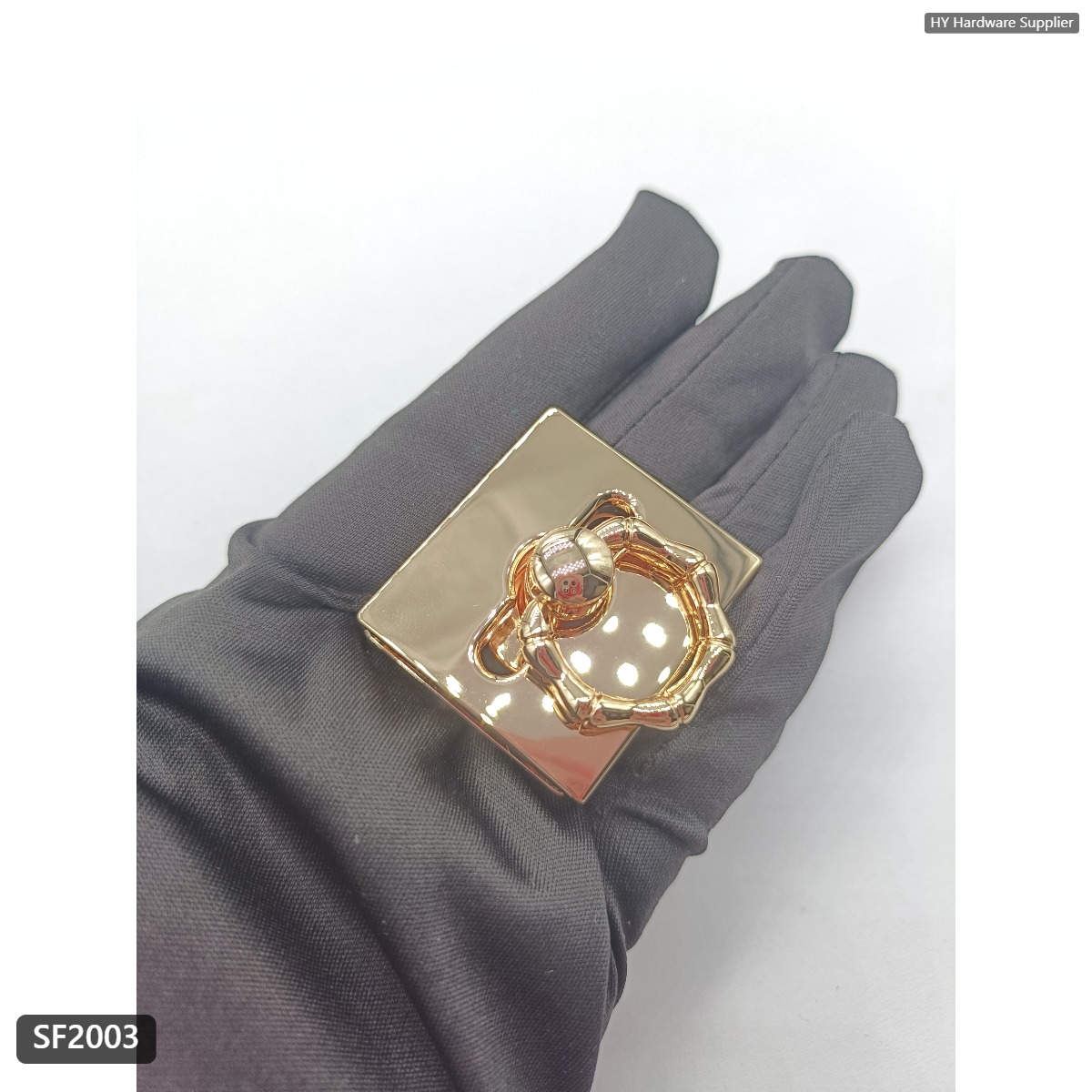
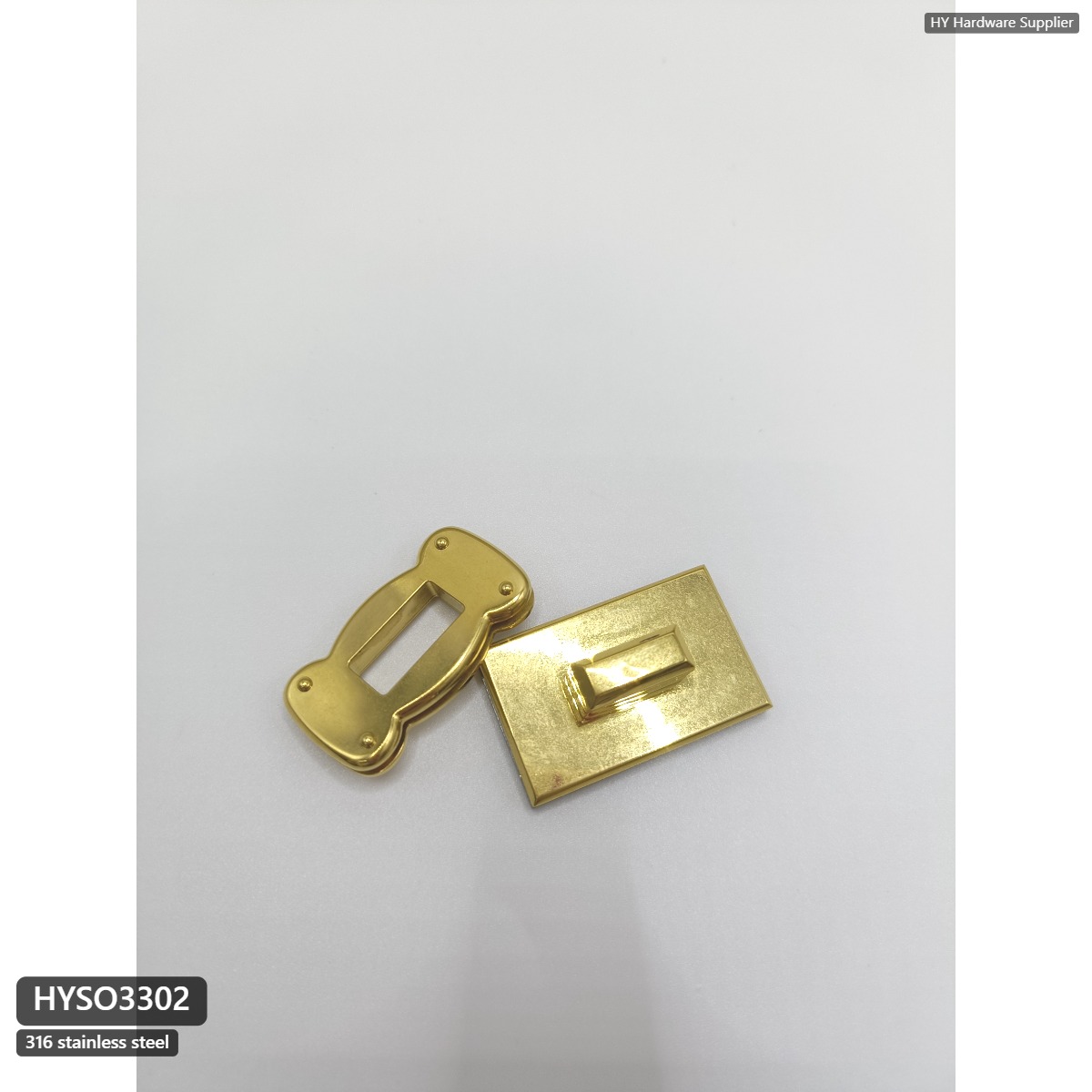
Hardware specifications are a lagging indicator in fashion — what brands order today was decided 6–12 months ago. But the aggregated pattern of what sourcing teams are requesting reveals where the market is heading. Based on our work with designer and luxury brands across 30+ markets, here is what is defining the hardware conversation in 2025–2026.
1. The Shift from Brass to Stainless Steel
The most significant structural trend in premium hardware is the migration from brass and copper-base alloys to 316L stainless steel. This shift has been building for several years and is now firmly established in the mid-to-high-end segment.
The drivers are practical. Brass-based hardware with traditional gold plating oxidises, tarnishes, and in humid climates develops green corrosion where it contacts real leather. The chemical reaction between leather tannins and copper is unavoidable. Brands building on a durability narrative — and communicating "made to last" as a sustainable value proposition — cannot afford hardware that visibly degrades within two years of purchase.
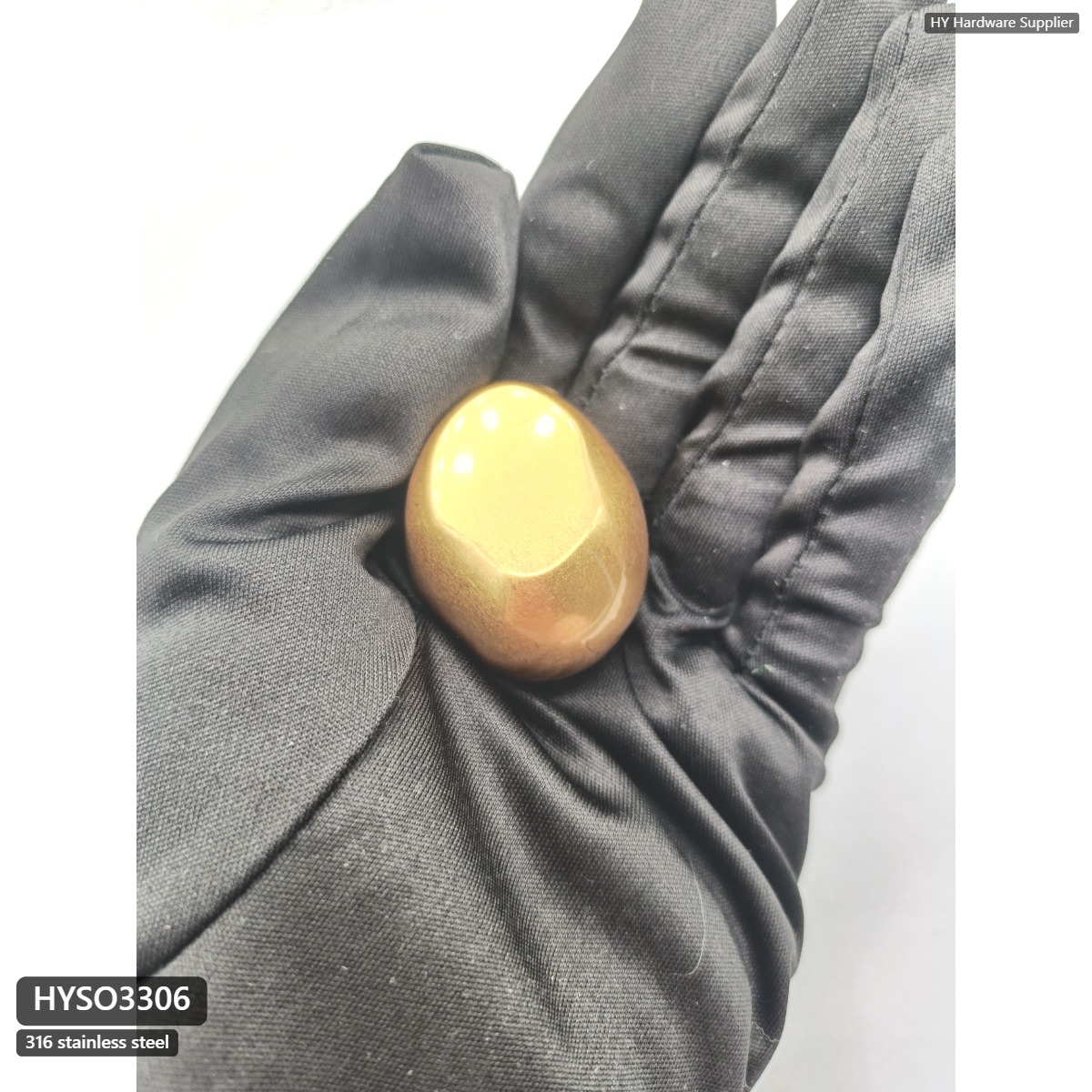
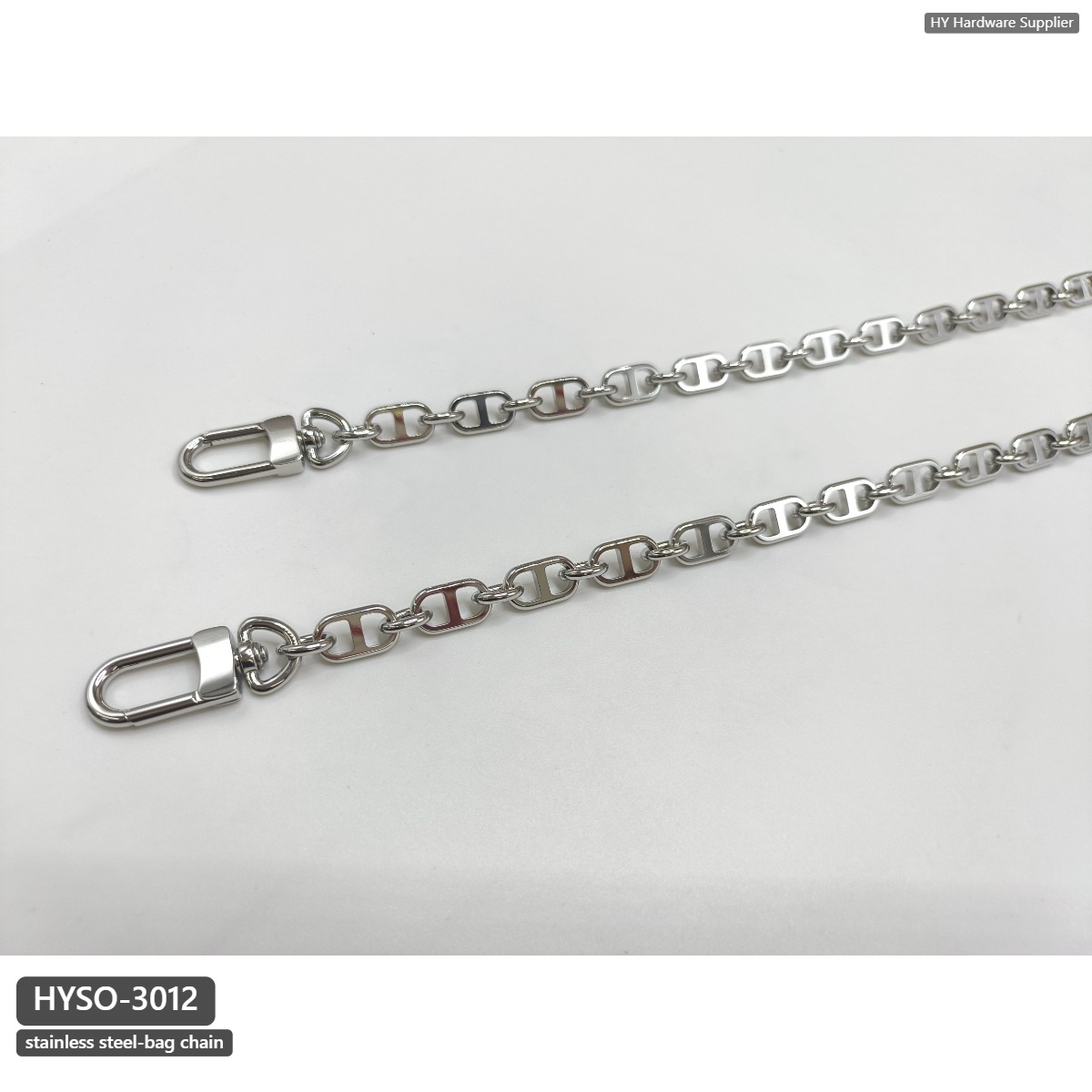
316L stainless steel is impervious to leather tannins, passes nickel-release testing required for skin-contact jewellery regulations in EU markets, and can be polished to a mirror finish comparable to fine jewellery. With PVD vacuum coating, colour durability extends to 5–10 years under normal wear. The material cost premium over zinc alloy is real, but the quality story it enables is worth the delta for brands at $300 retail and above.
2. PVD Over Electroplating: The Durability Specification
Within surface treatment, PVD (Physical Vapor Deposition) coating is increasingly specified over traditional electroplating wherever longevity matters.
The technical reason: electroplating deposits colour through a chemical bath, resulting in a layered coating that sits on the surface of the metal. PVD bonds colour at the atomic level under vacuum, creating a coating that is harder, more wear-resistant, and more consistent in appearance than electroplating.
On stainless steel, PVD is particularly effective. A PVD gold or gunmetal finish on 316L steel retains its appearance significantly longer than gold electroplating on zinc alloy — a key selling point for brands positioning hardware as a quality differentiator.
PVD is available in gold, rose gold, gunmetal, black, and custom tones. The palette is narrower than electroplating, but for the finishes that matter commercially — gold and gunmetal dominate the market — the coverage is complete.
3. Matte and Brushed Finishes Over Mirror Polish
In finish aesthetics, the directional shift is toward matte and brushed surfaces. Mirror polish remains essential for certain applications — signature locks on heritage bags, logo hardware on classic styles — but across the broader market, the preference is moving toward finishes that telegraph quiet luxury rather than overt shine.
Brushed gunmetal and matte black have become the dominant specifications for contemporary men's accessories. Brushed gold — rather than high-shine gold — is increasingly common in women's ready-to-wear hardware.
The practical advantage of brushed finishes: they conceal daily micro-scratches far better than mirror polish, making the product look better for longer in the hands of the end consumer.
4. EU Compliance as a Baseline, Not a Premium
European market compliance — REACH regulation, RoHS, nickel-release limits for skin-contact hardware — has shifted from a premium specification to a baseline expectation across the market.
Brands selling into Germany, France, Italy, and Scandinavia in particular are routinely requiring nickel-release test certificates and REACH compliance declarations as standard deliverables, not optional extras. Suppliers who cannot provide these documents are being screened out of the supply chain regardless of price competitiveness.
For sourcing managers, this means the due diligence conversation with hardware suppliers should include: salt-spray test standards (minimum 48 hours for EU premium), nickel-release test methodology, and what documentation is provided pre-shipment as standard.
5. Hardware as Brand Storytelling
The most strategically significant trend is not material or finish — it is the increasing use of hardware as a brand narrative vehicle. Top brands are investing in proprietary lock mechanisms, custom clasp geometries, and bespoke zipper pullers that are trademarked and non-replicable.
This is hardware as intellectual property. A signature lock that appears across five product categories — bags, belts, shoes, small leather goods — builds brand recognition in a way that is immediately visible at point of sale and highly defensible against imitation.
The operational implication: brands taking this approach are investing in mold development early and amortising the tooling cost across multiple categories and multiple seasons. The economics work when the design is strong enough to carry across a range. NDA and mold ownership arrangements become central to the supplier relationship from day one.
What This Means for Your Next Sourcing Decision
If you are specifying hardware for a 2026 collection, the trends point toward: 316L stainless steel for premium positioning, PVD finish where longevity is part of the product story, brushed or matte surfaces for contemporary aesthetics, and EU compliance documentation as a non-negotiable deliverable.
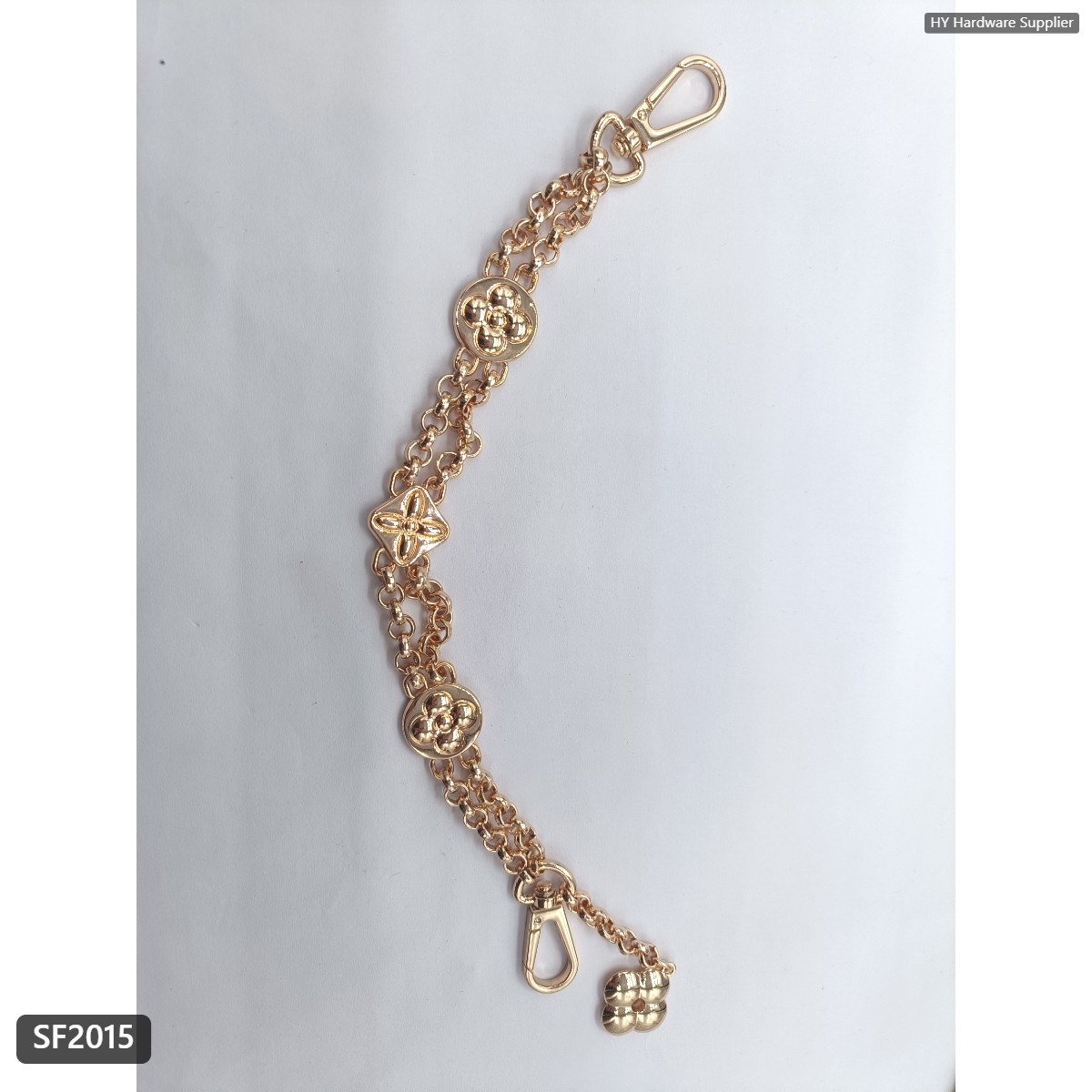
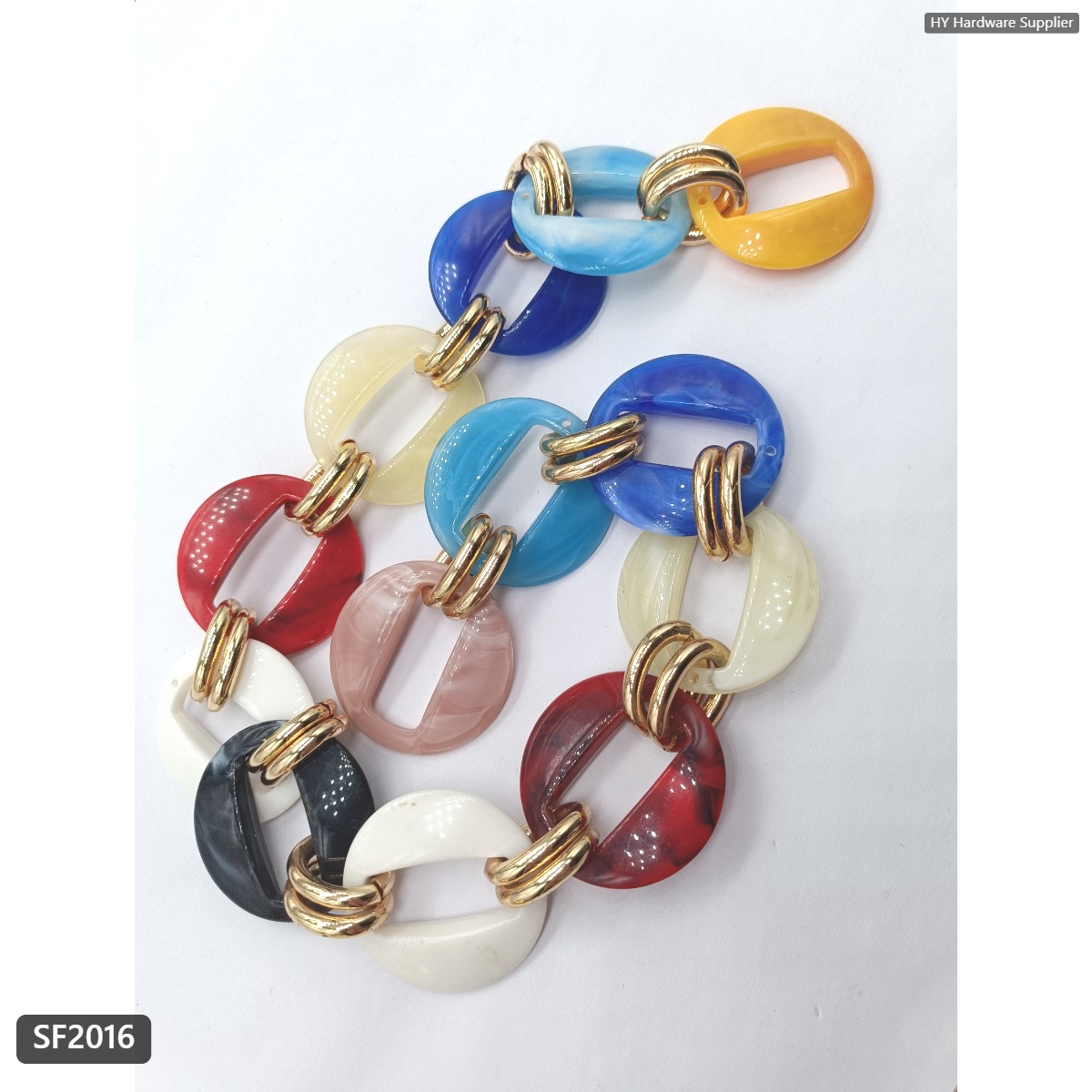
We work with brands across each of these specifications, from catalogue zinc alloy at accessible price points to fully custom stainless steel with proprietary mold development. Contact us with your brief and we will advise on the specification that best fits your brand position and production economics.